






Praise the Shadow
The Quiet Architecture of Human Growth
We are drawn, almost by instinct, to the light. We celebrate the triumphs, the stage under the arc lamps, the applause that fills an auditorium, and the milestones that demand to be witnessed. Yet behind every luminous moment rests something that rarely commands the same regard: the shadow.
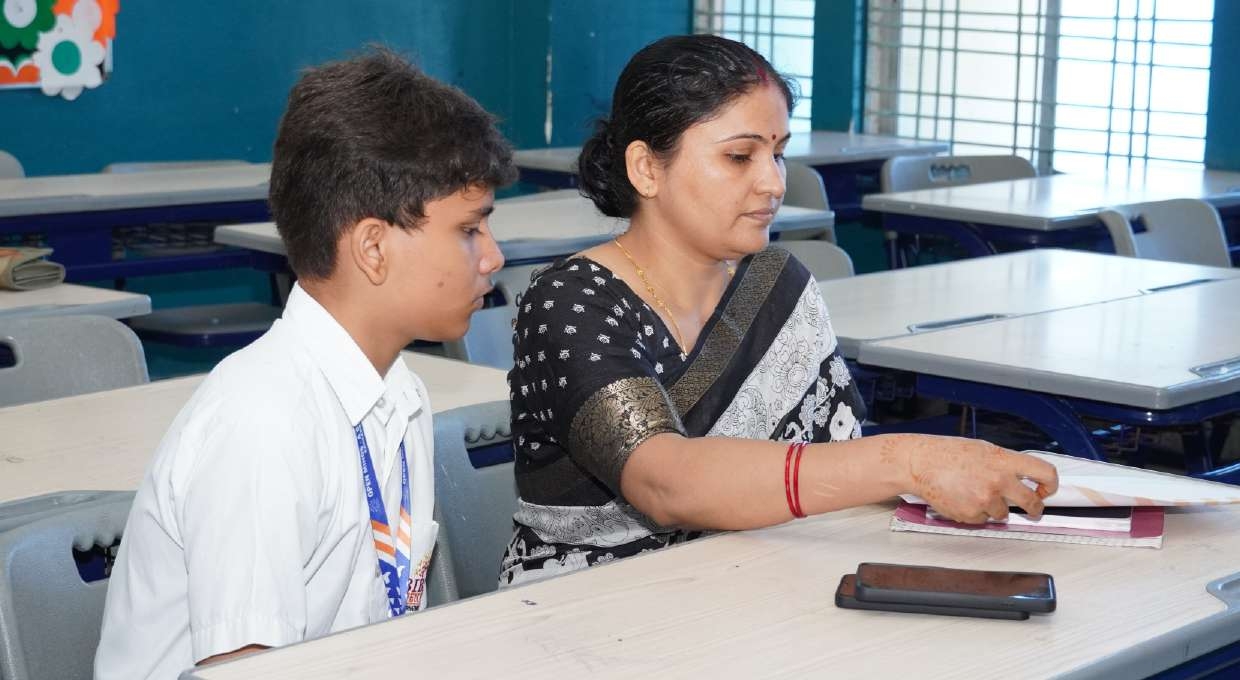
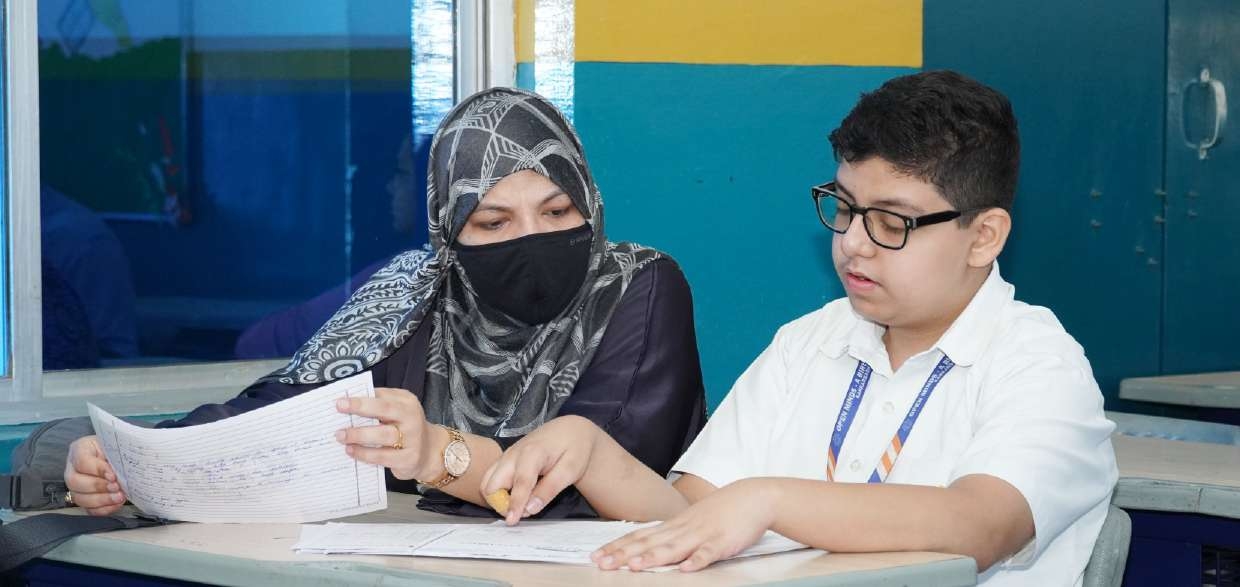
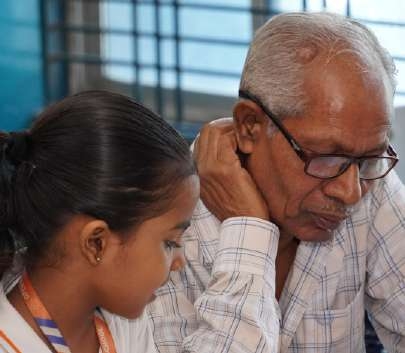
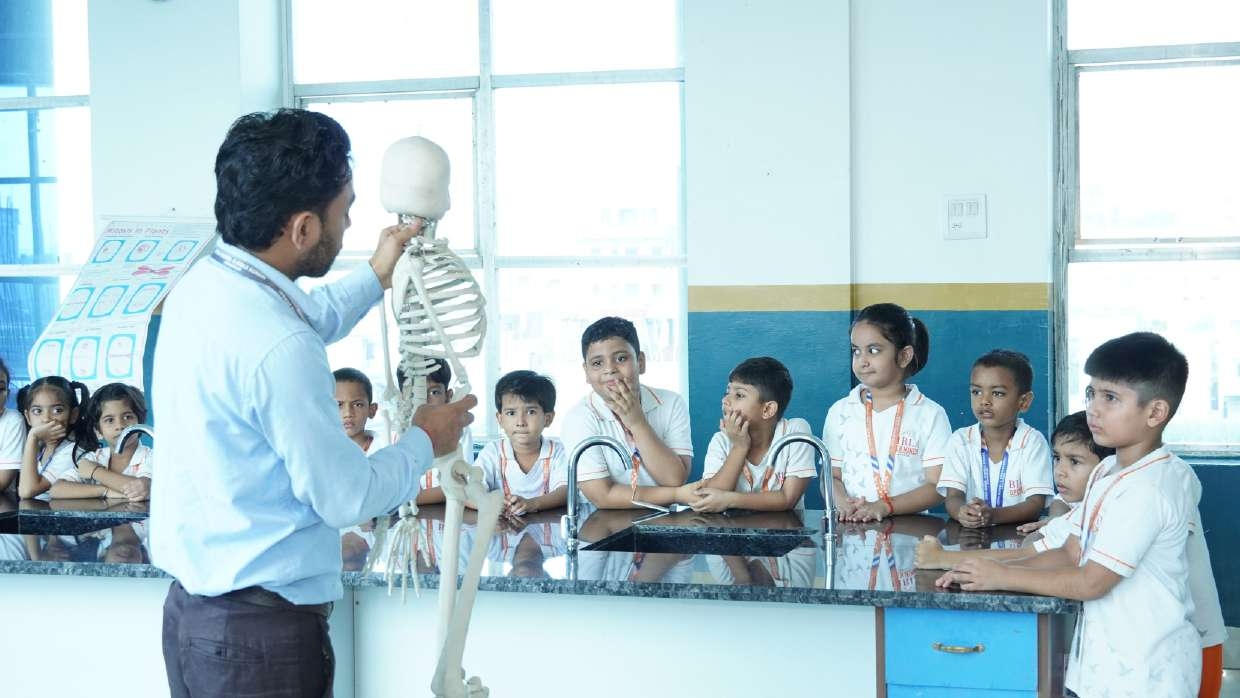
The shadow is not an absence of radiance; it is the quiet, irrefutable proof that light exists. Within the life of a school, nearly everything of enduring consequence unfolds far from the glare of the spotlight. It breathes in the solitary preparation of an educator before dawn, the gentle patience that stays an anxious hand, the concept explained for the fourth time without exasperation, and the quiet reassurances exchanged between parent and mentor. These are the silent, faithful currents of daily effort that will never grace a podium, frame a photograph, or make a headline.
Perhaps, then, true wisdom lies in learning to praise the shadow. The cadence of this past month has offered a poignant reminder of this quiet grace.
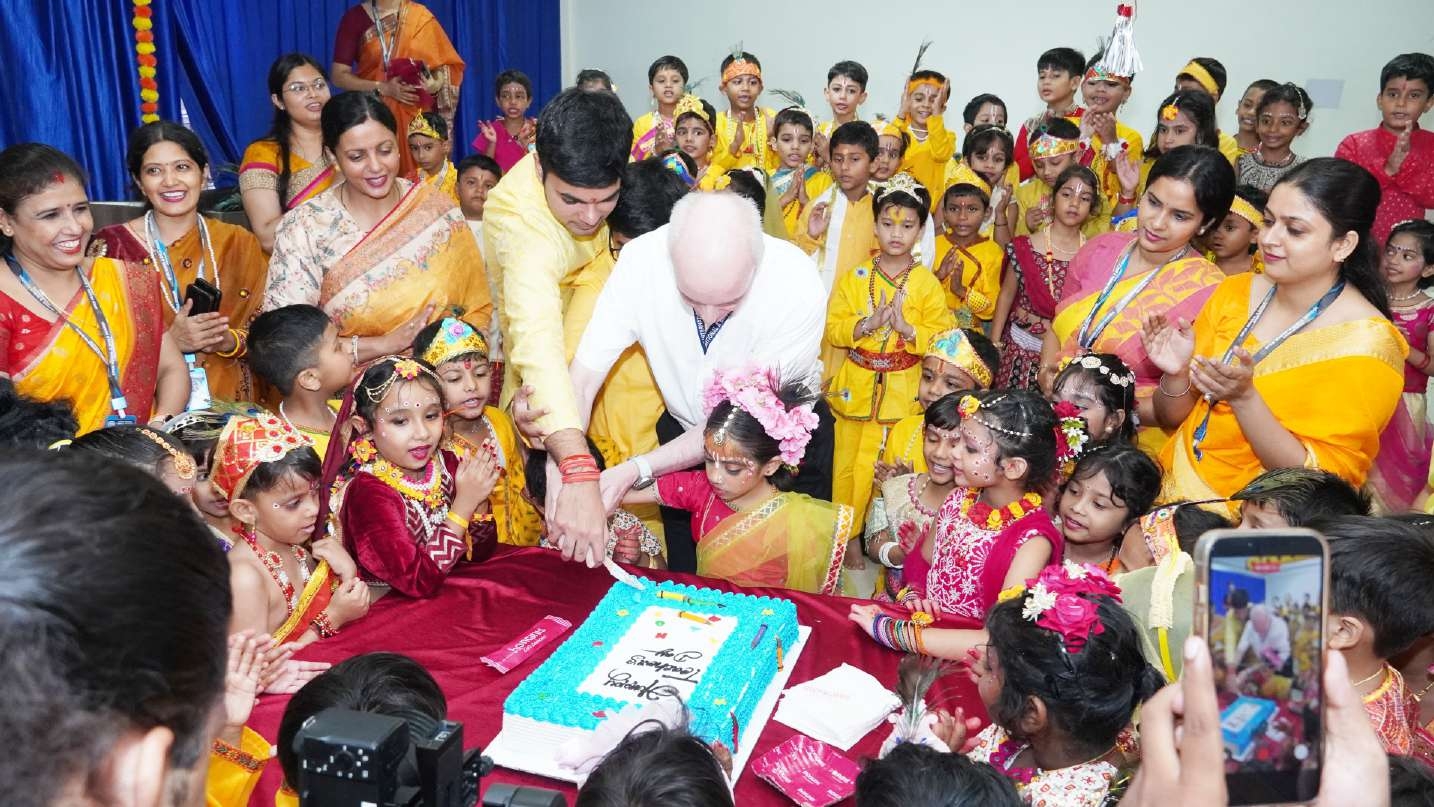
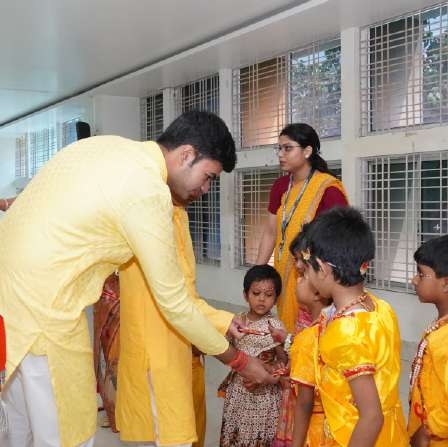
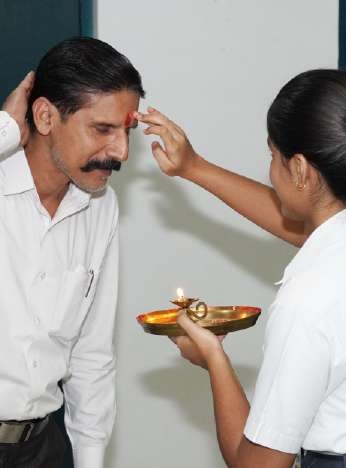
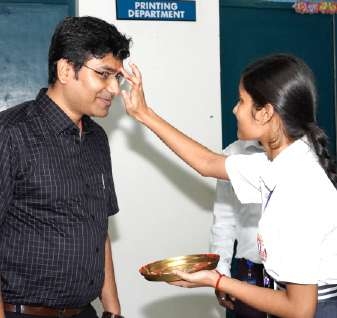
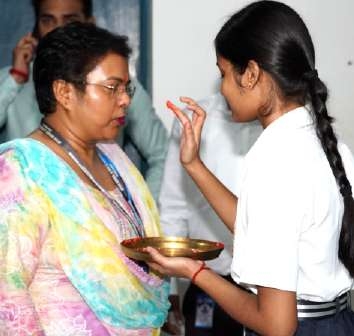
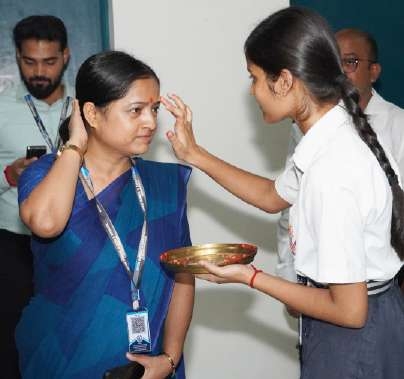
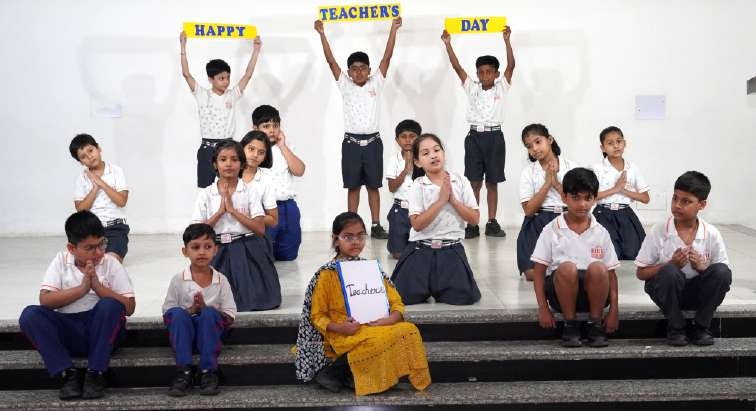
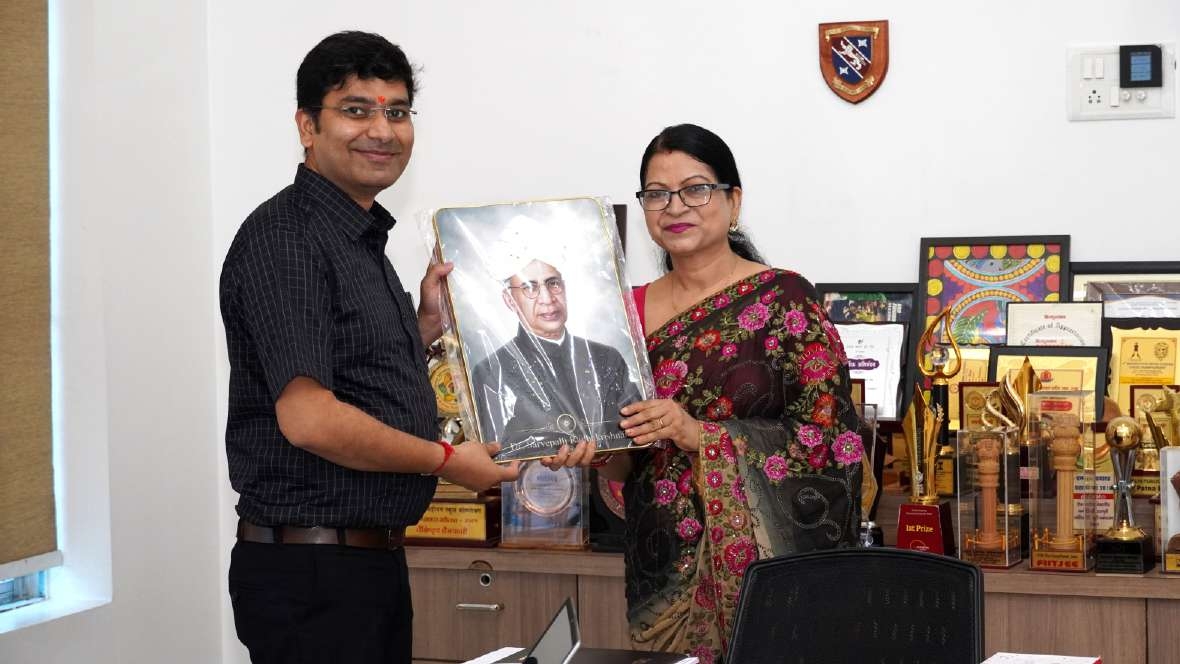
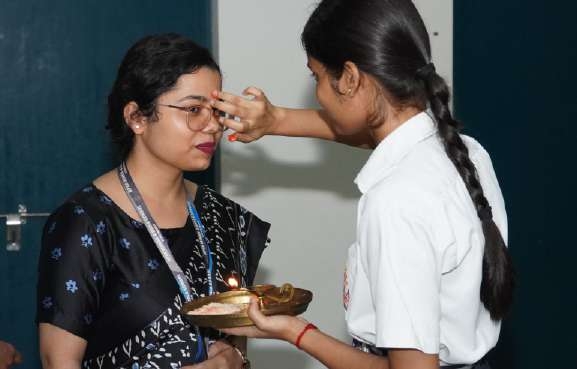
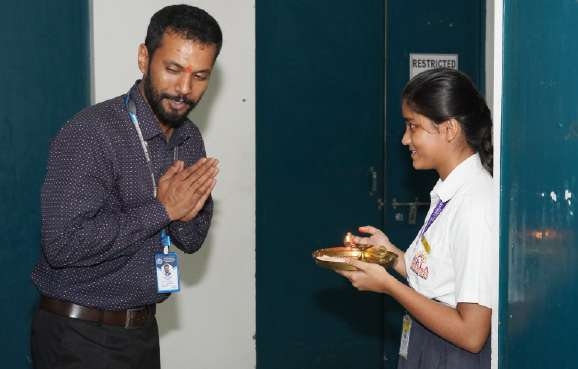
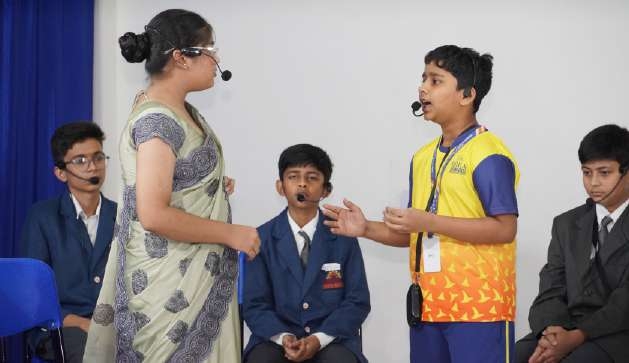
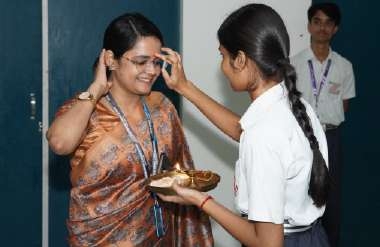
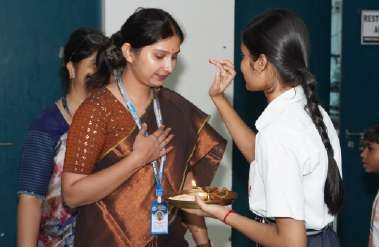
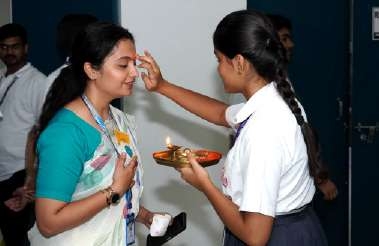
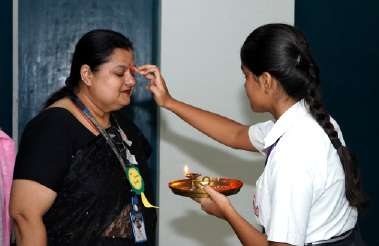
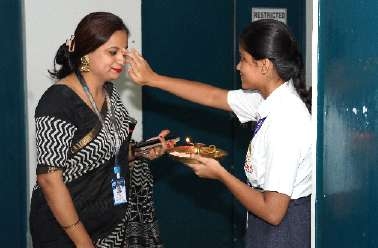
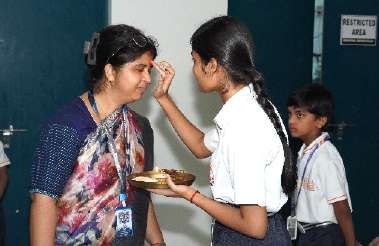
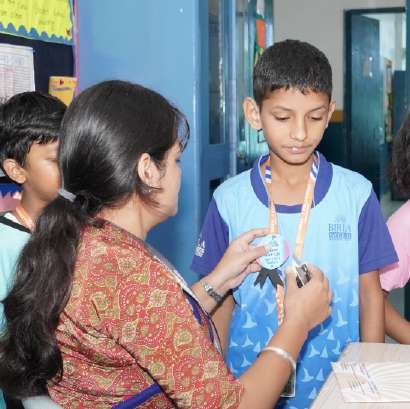
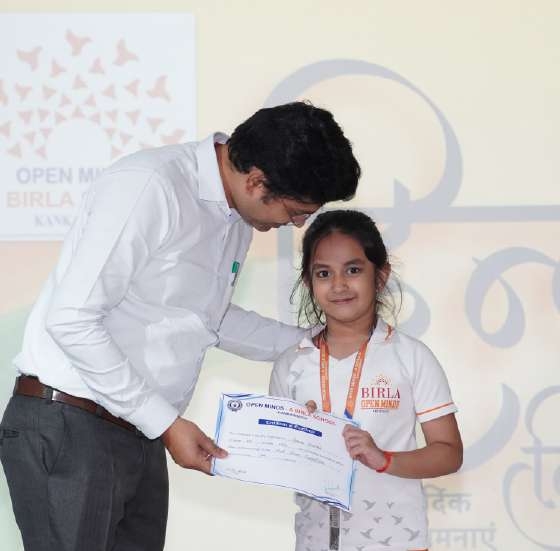
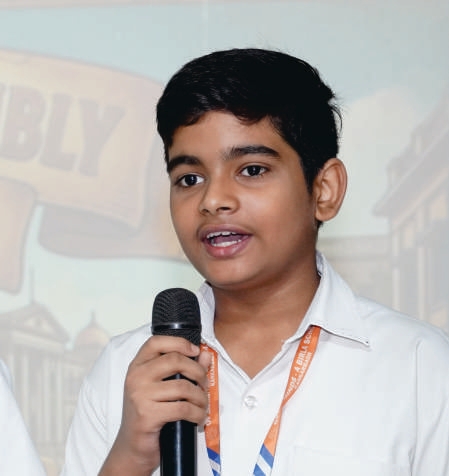
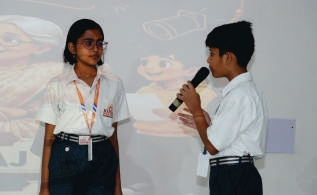
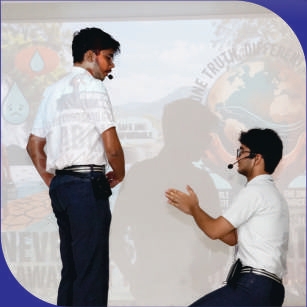
On Teachers’ Day, our tribute went beyond the curriculum taught to honour the invisible gravity an educator exerts on young minds. A teacher’s finest legacy is rarely a formula committed to memory; it is a discipline quietly forged, a fractured confidence delicately restored, an unorthodox curiosity protected, and a horizon revealed where a child previously saw only a wall.
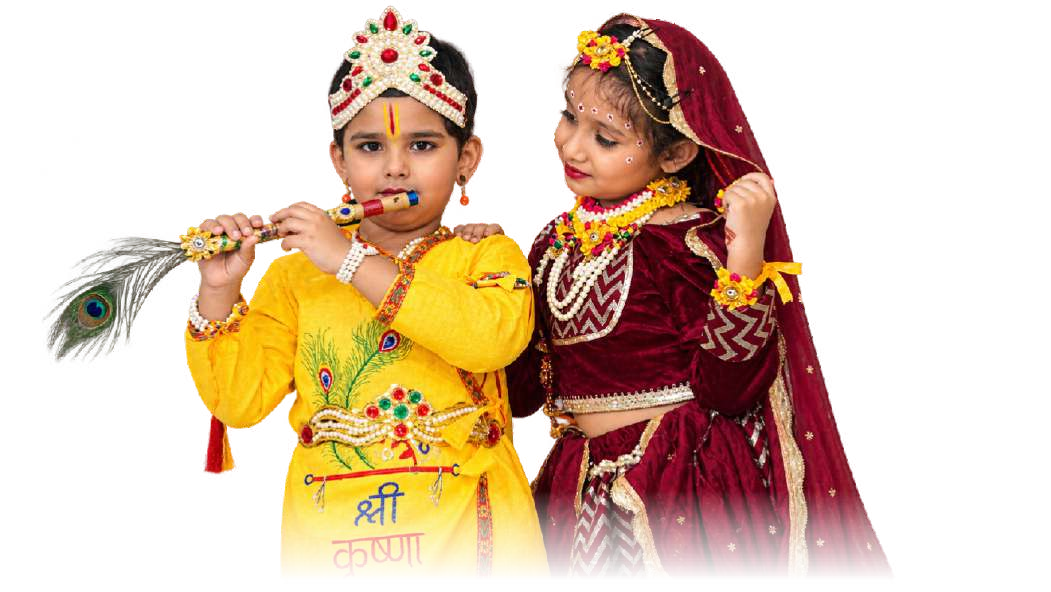
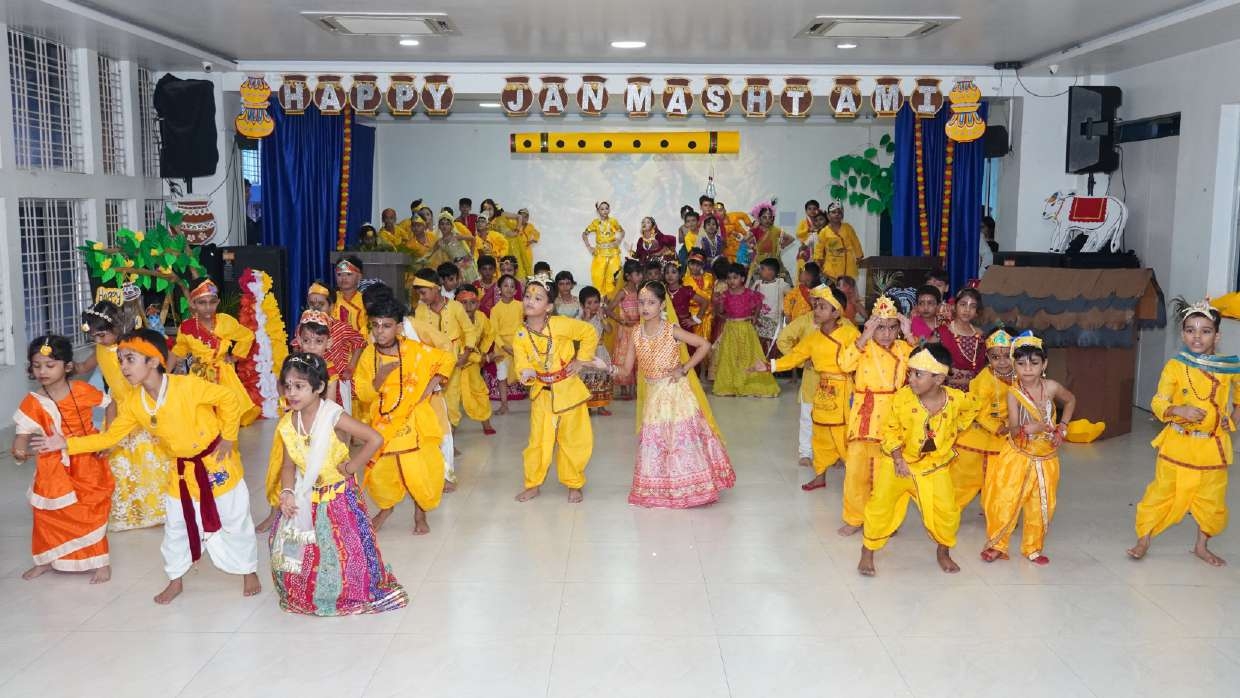
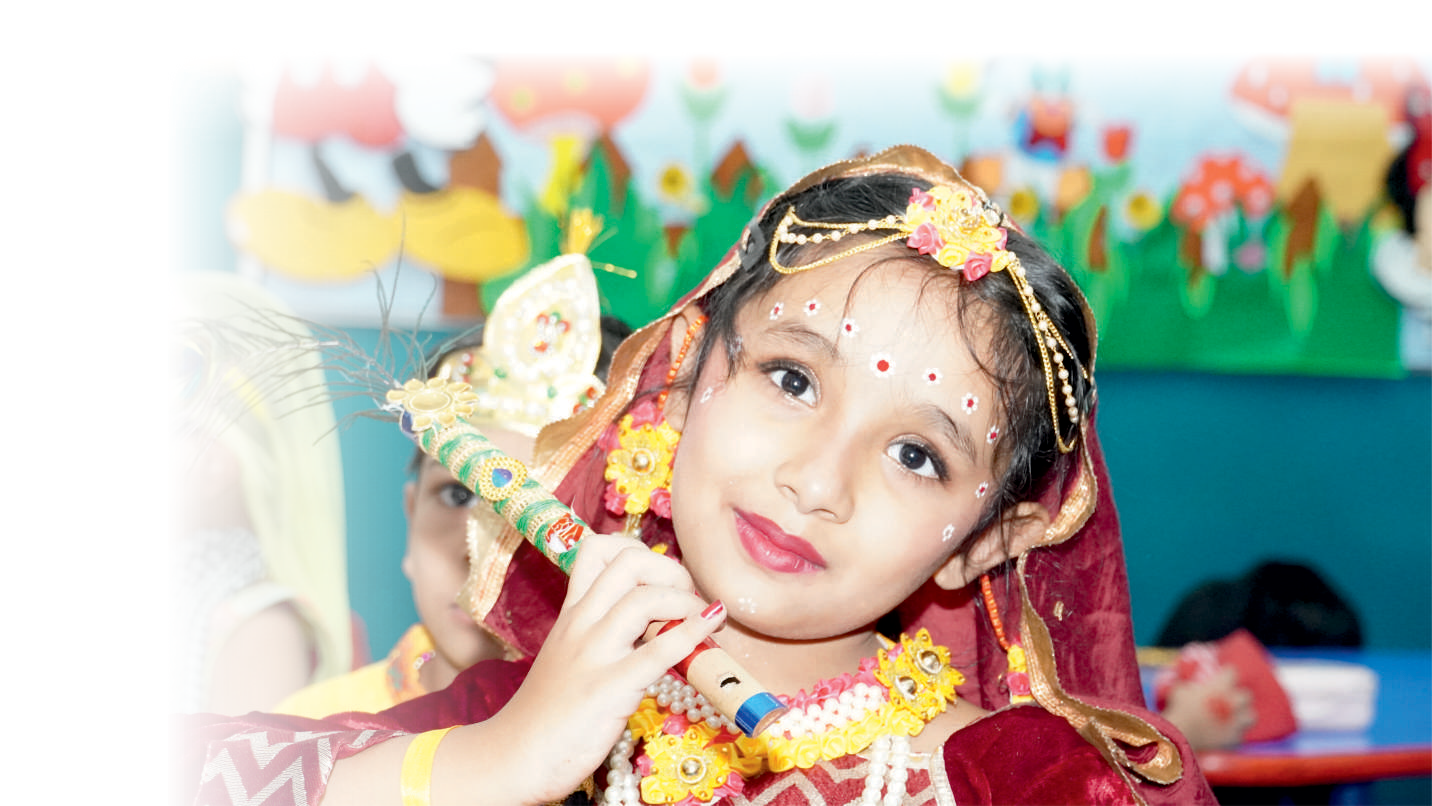
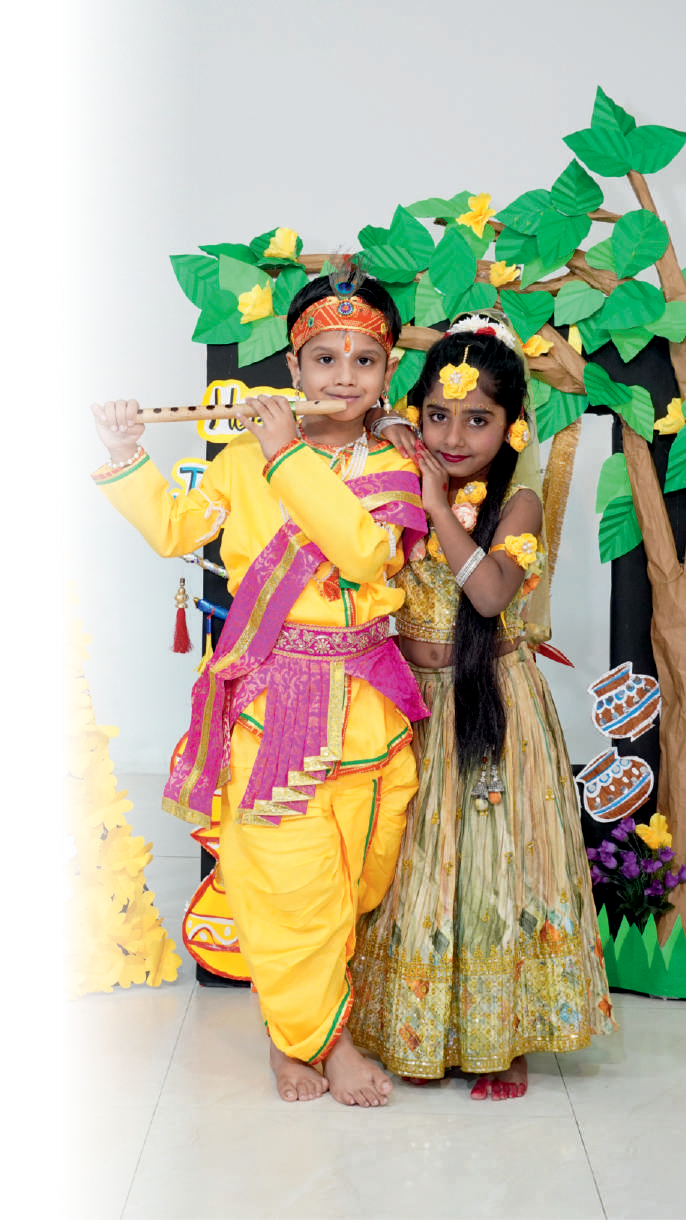
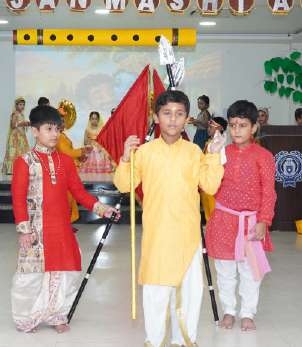
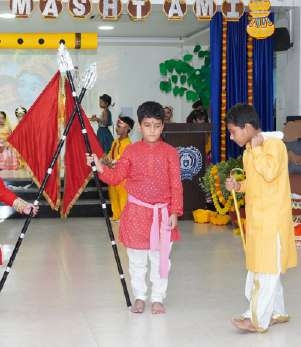
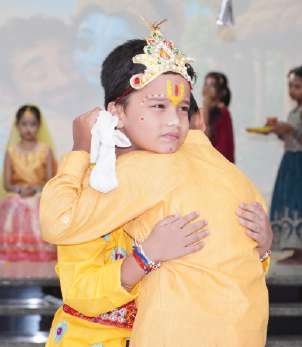
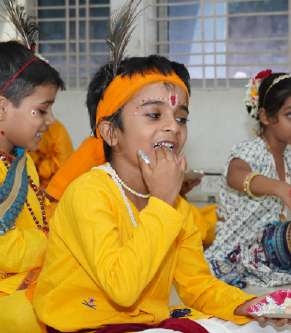
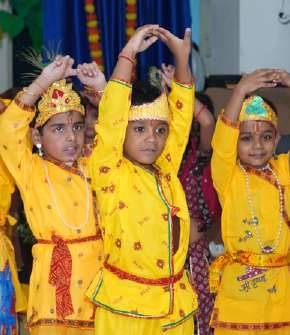
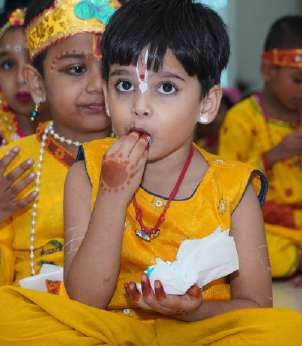
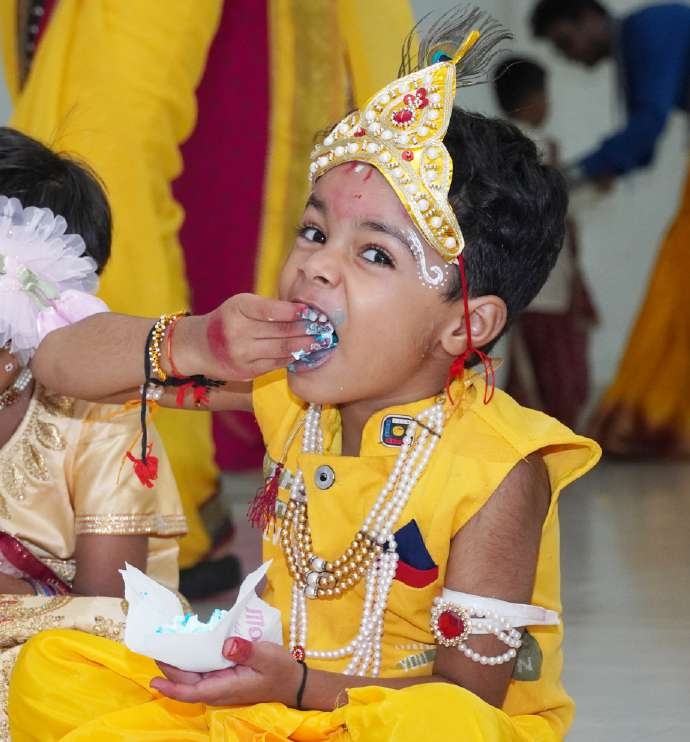
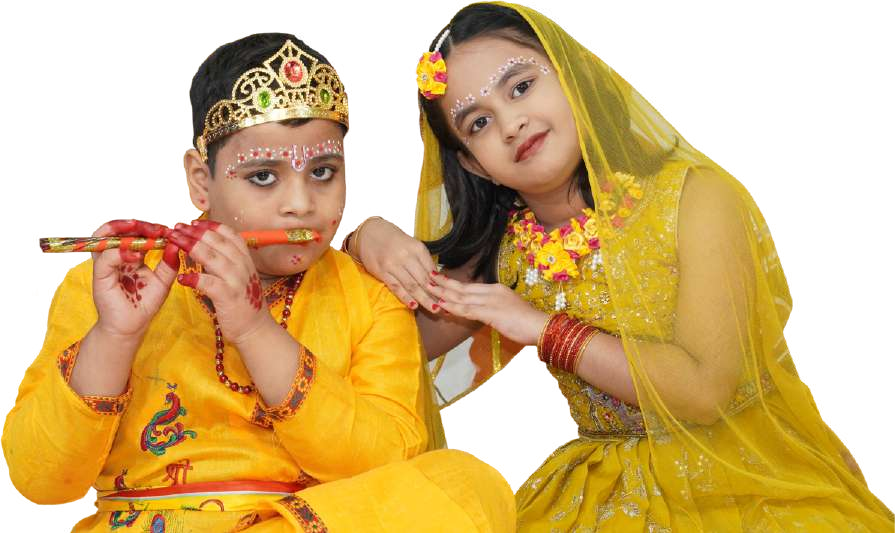
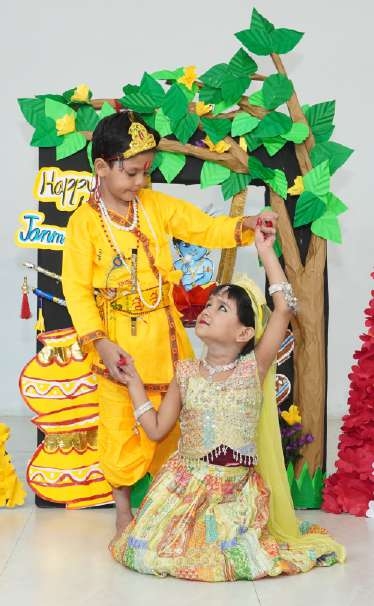
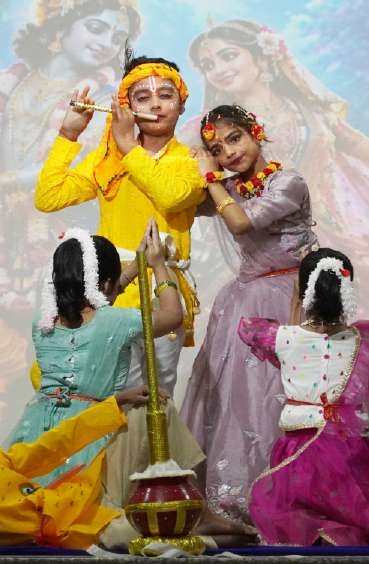
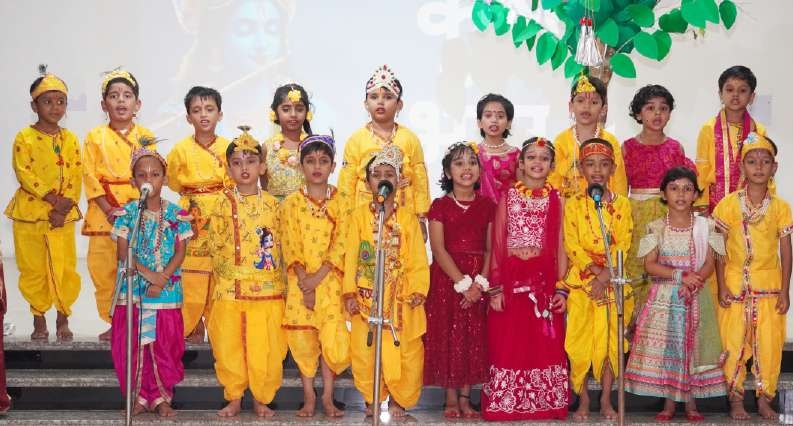
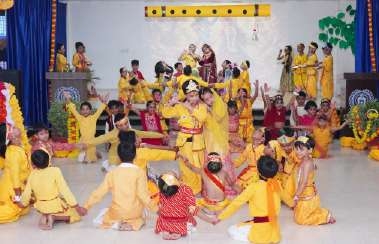
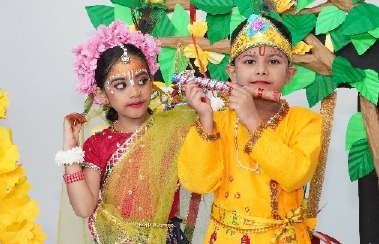
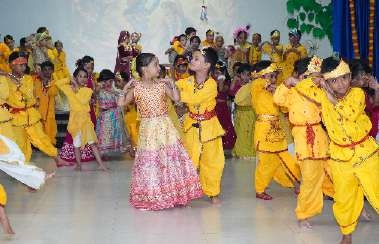
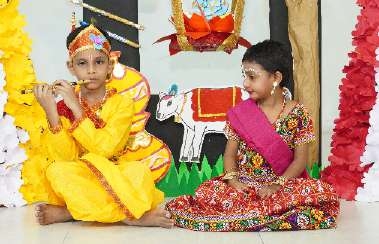
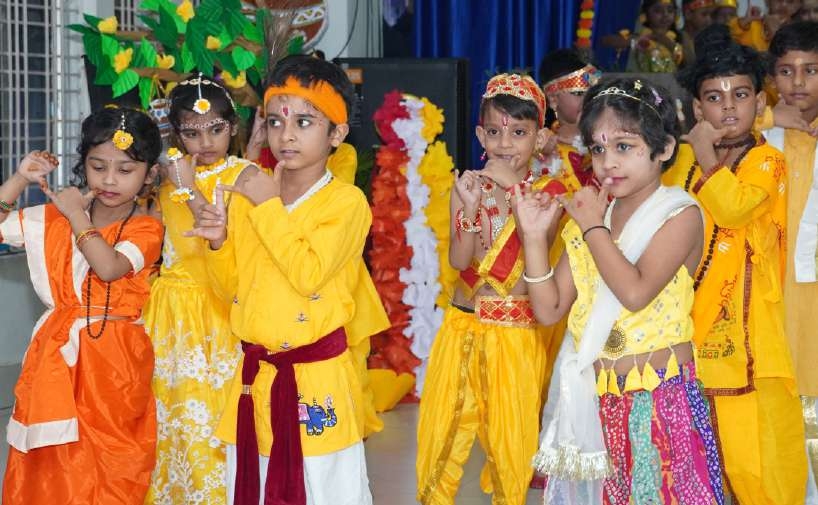
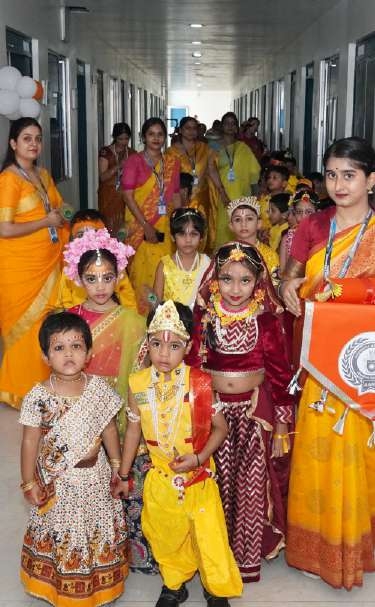
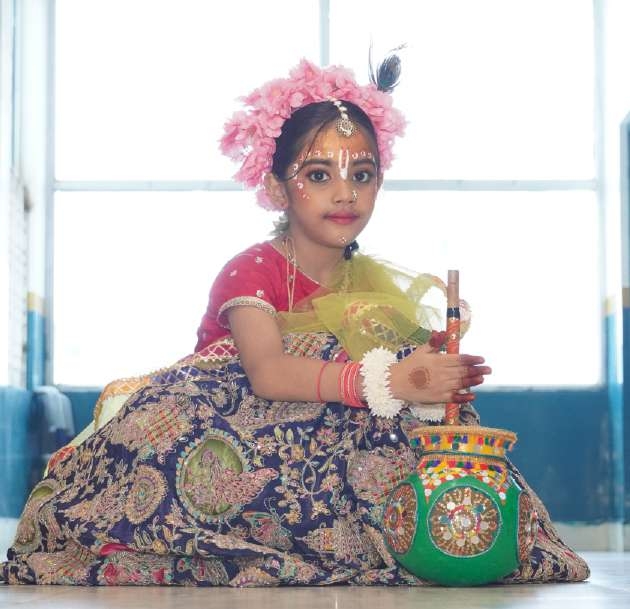
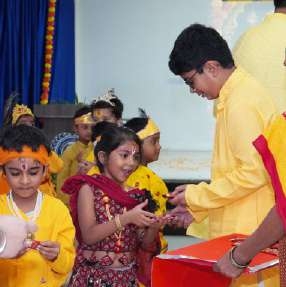
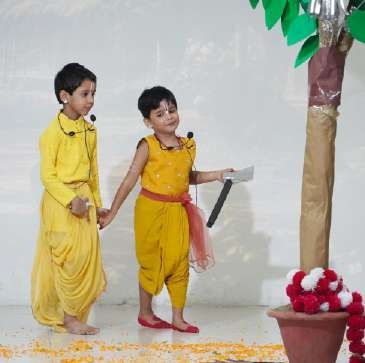
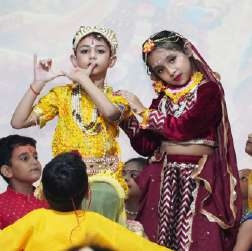
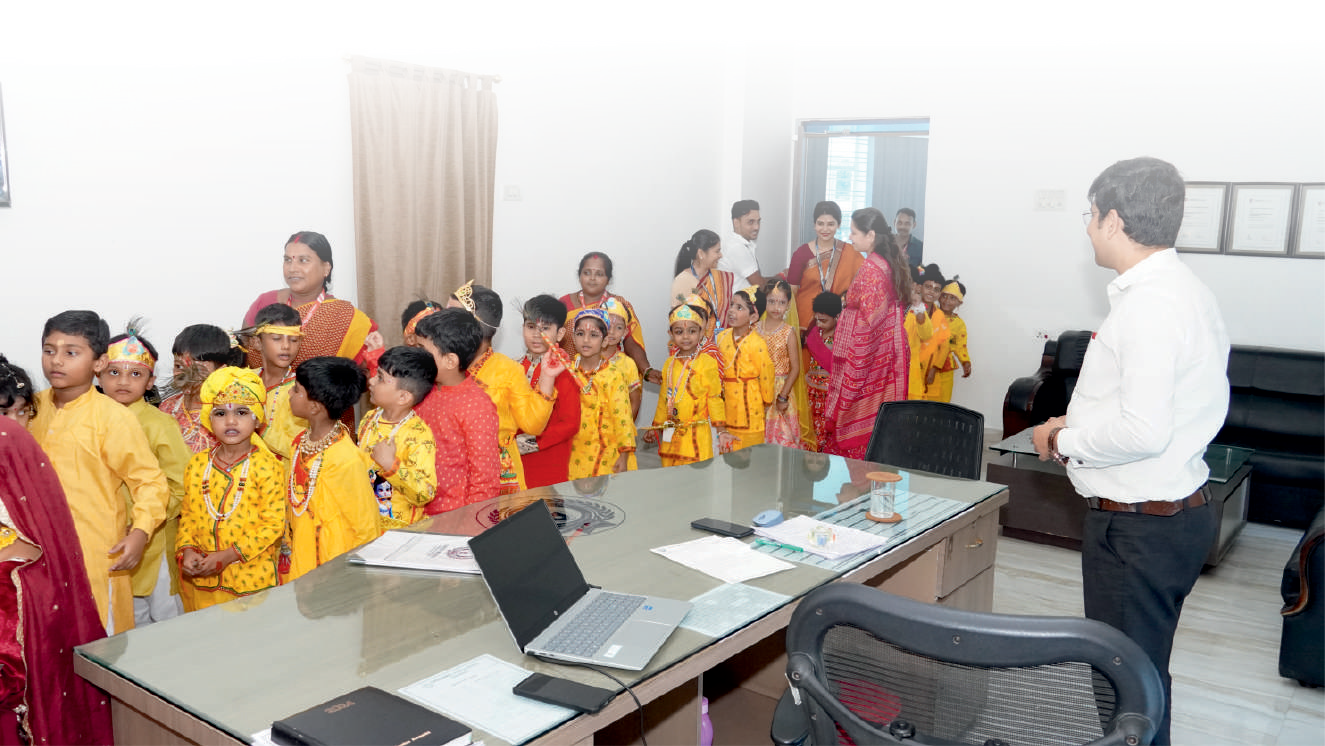
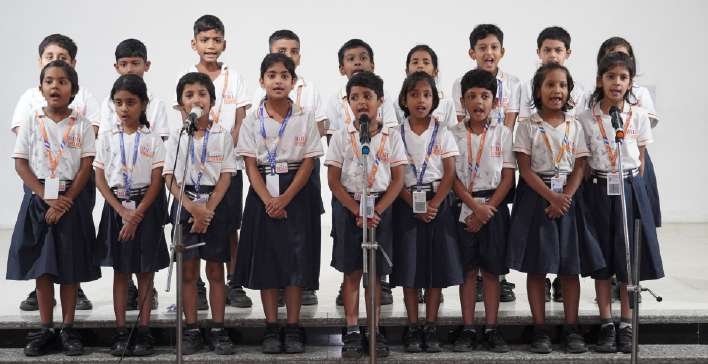
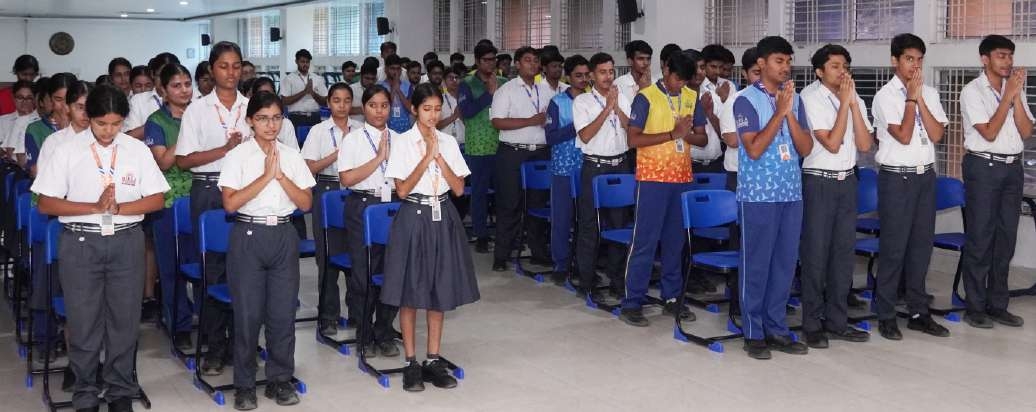
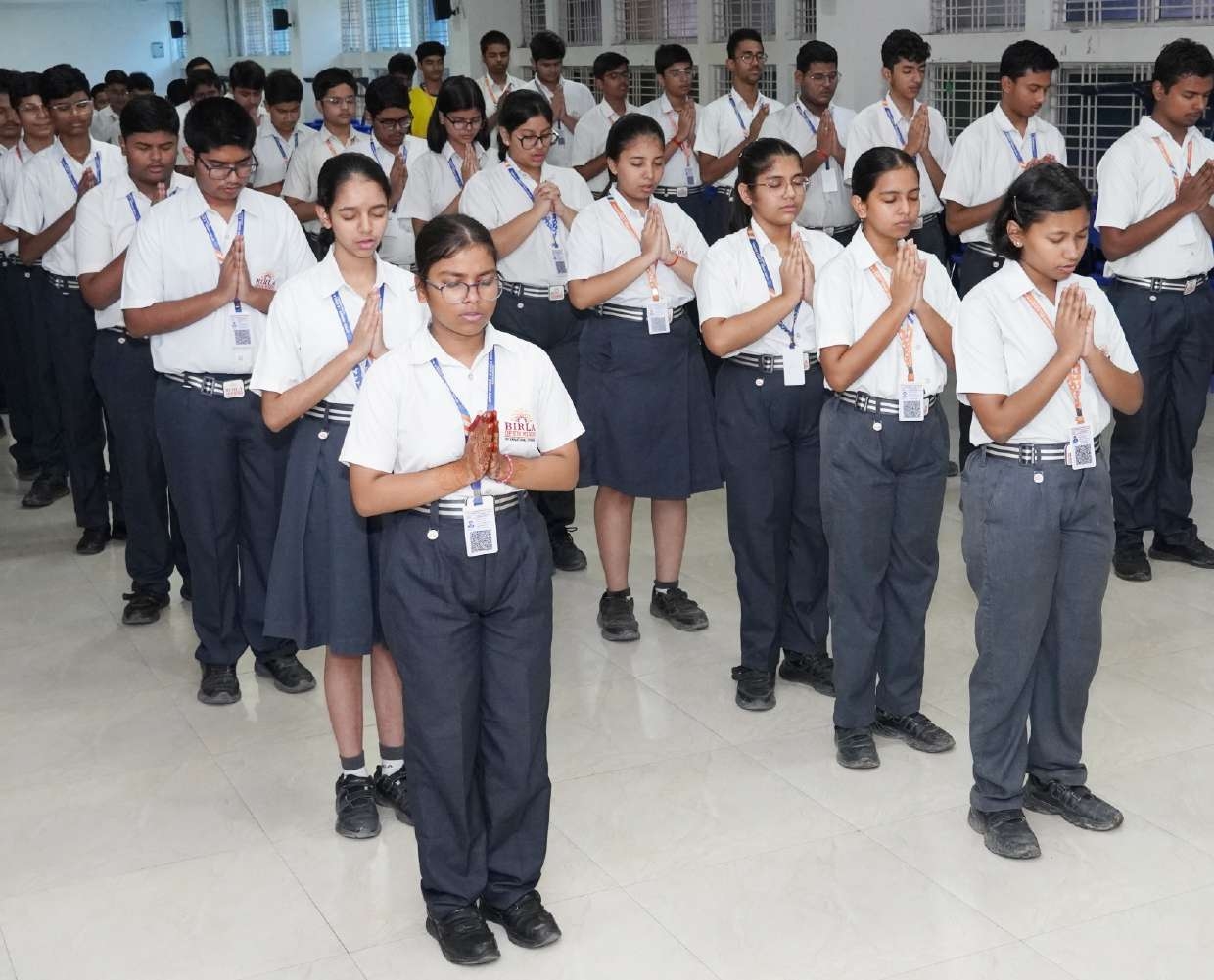
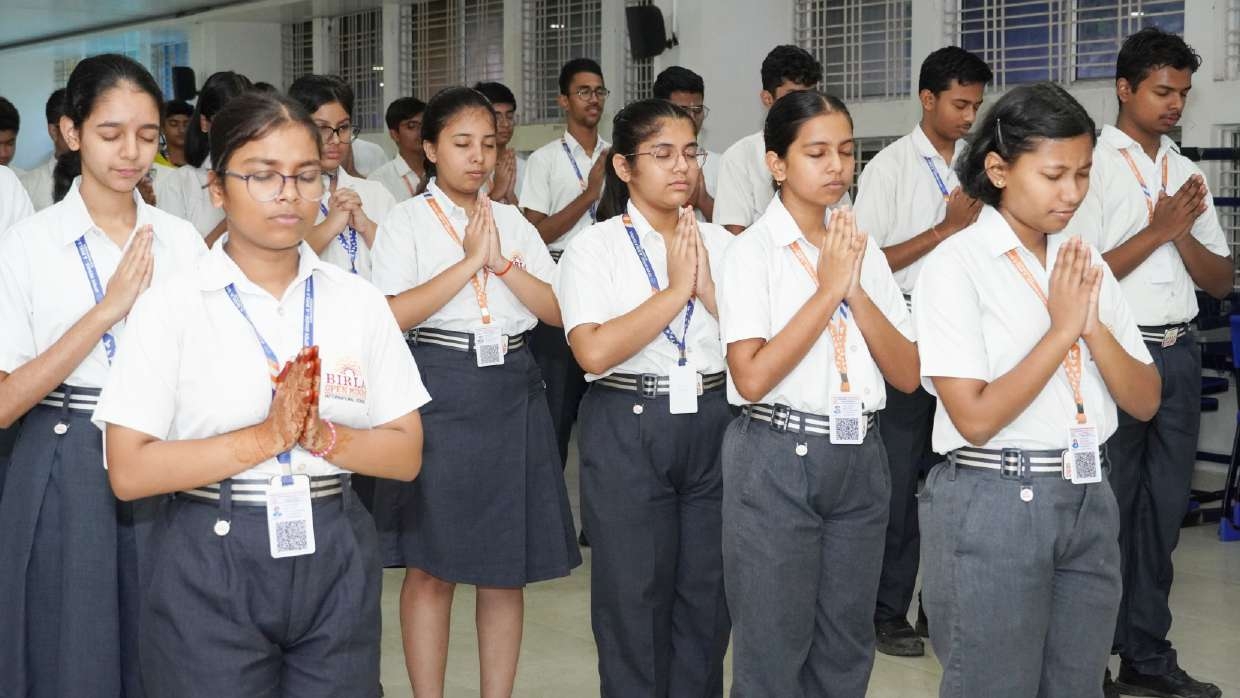
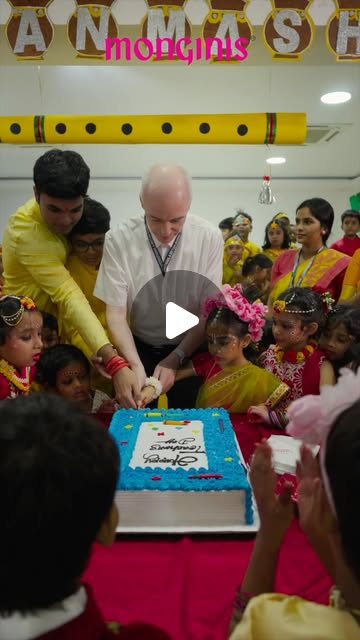
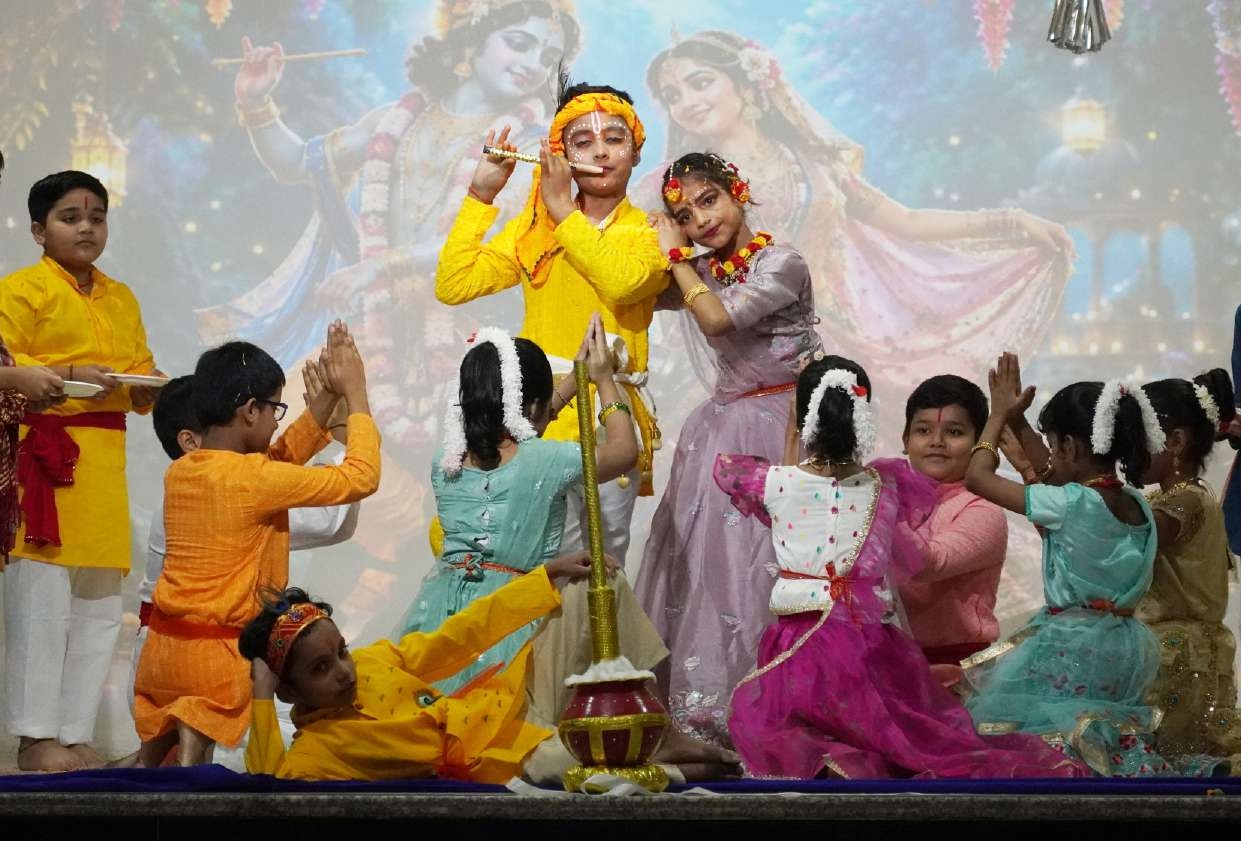
Our celebration of Janmashtami deepened this contemplative spirit. Through the timeless canvas of Sri Krishna’s life, our students encountered enduring archetypes of detached action, duty without grievance, and that rare poise which remains unruffled amidst chaos. A school tradition achieves its purpose only when pageantry yields to introspection—when tradition transforms into an inner compass.
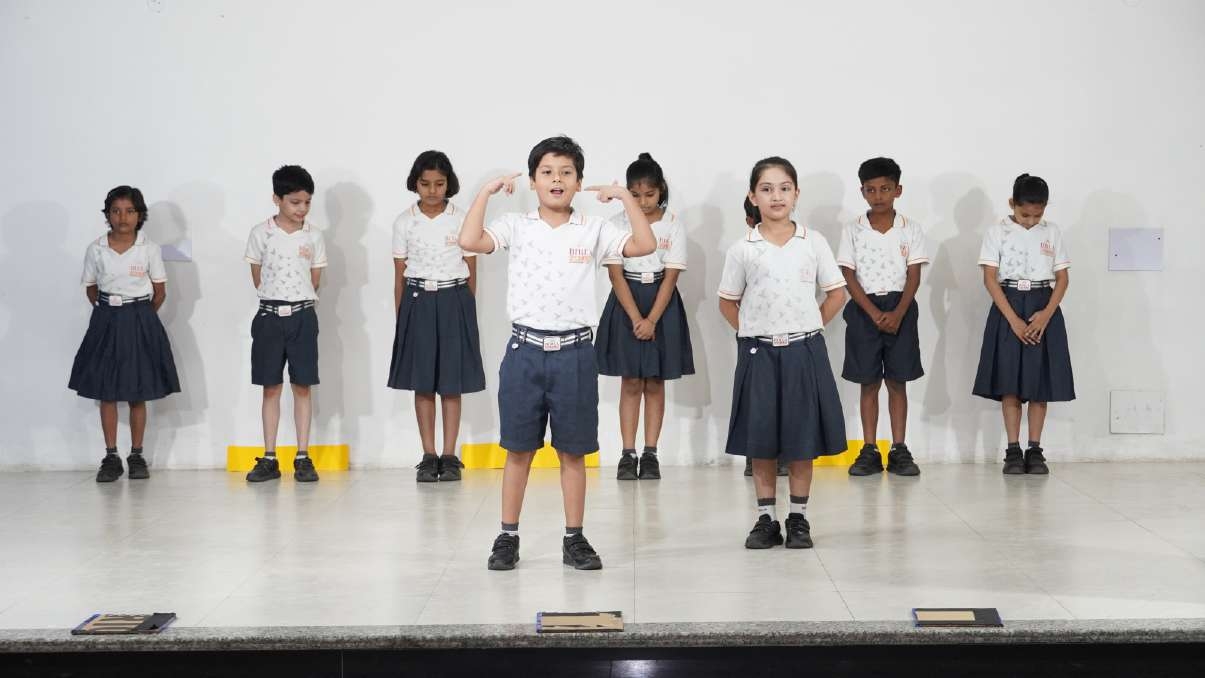
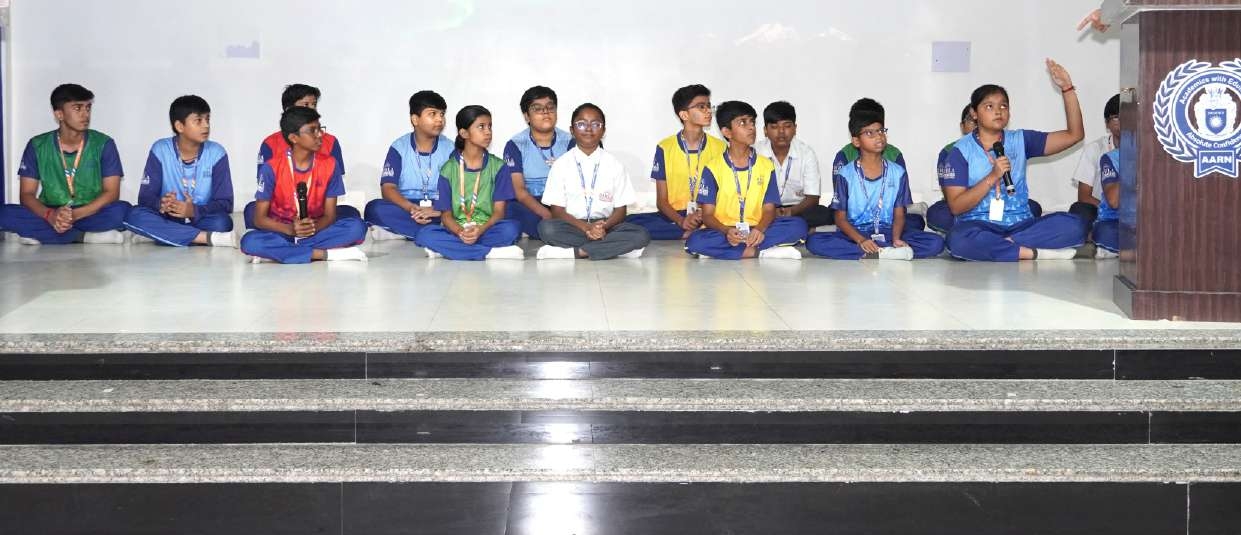
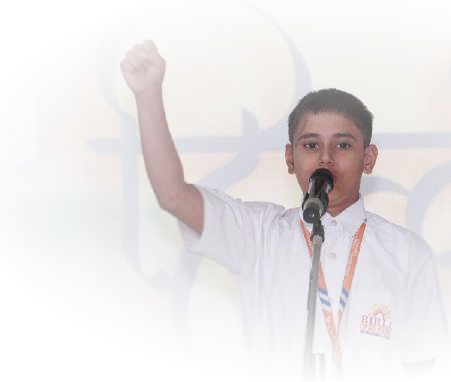
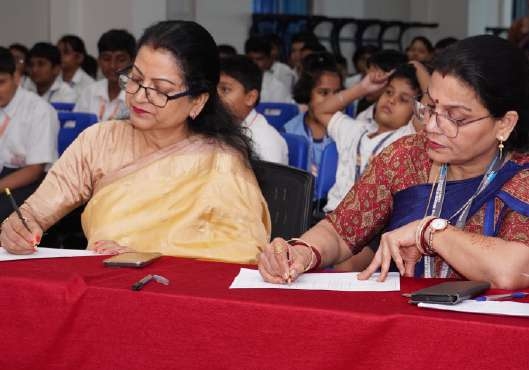
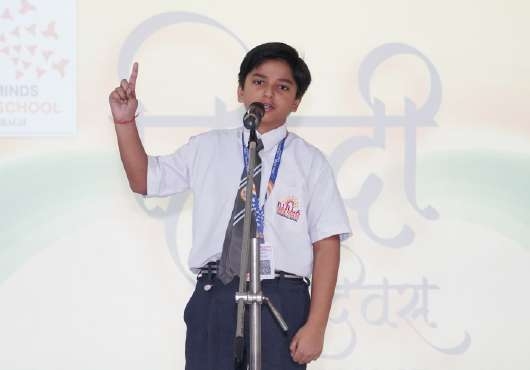
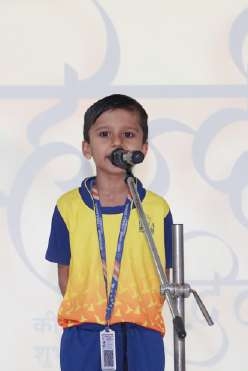
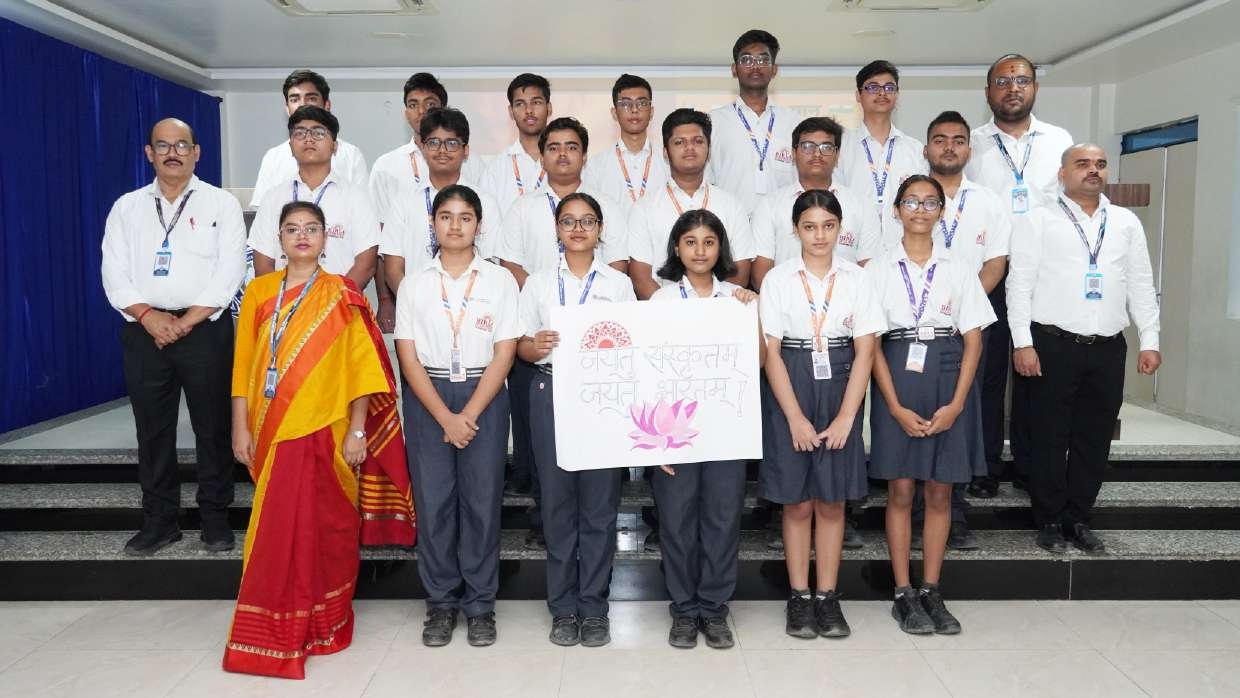
During Sanskrit and Hindi Week, we were reminded that language is never an inert tool of utility; it is the living vessel of civilisational memory, nuance, and thought. Sanskrit grounds our learners in an ancient, rigorous architecture of intellect, whilst Hindi serves as the vibrant pulse of contemporary introspection and creative vitality. To introduce a child to the cadence of these languages is to give them far more than vocabulary; it is to grant them distinct prisms through which to understand reality.
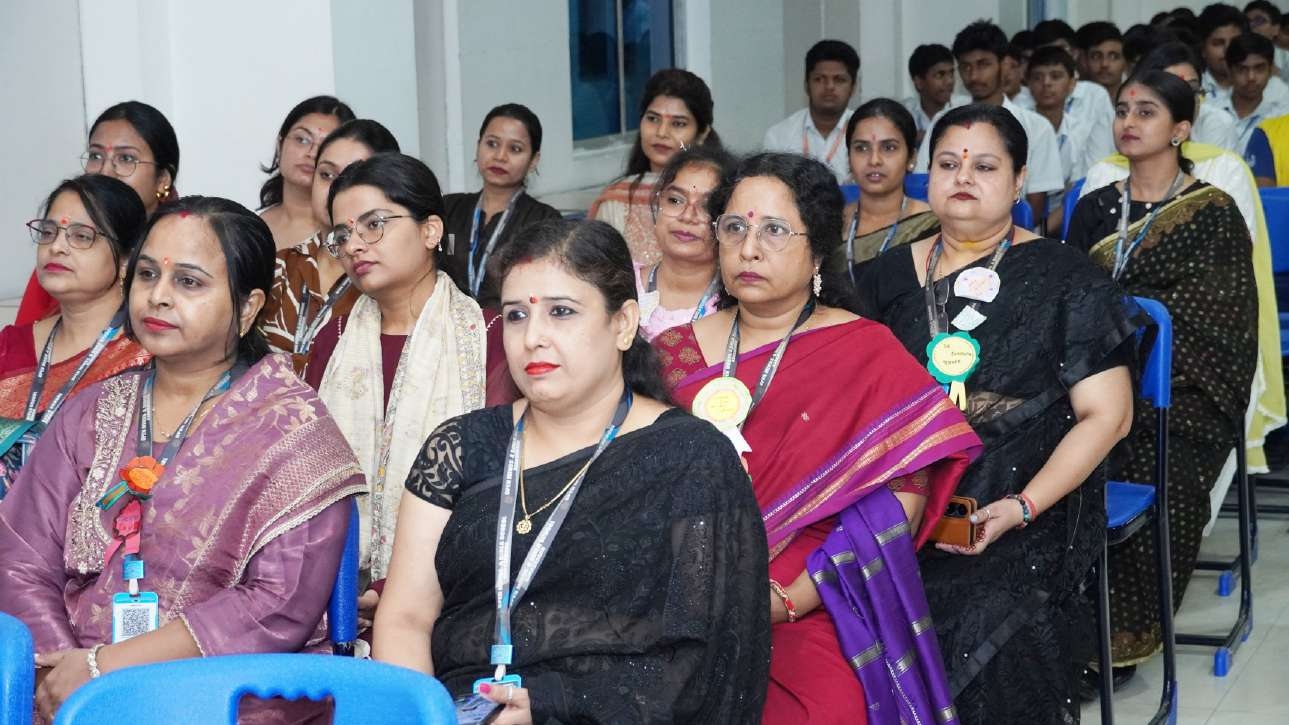
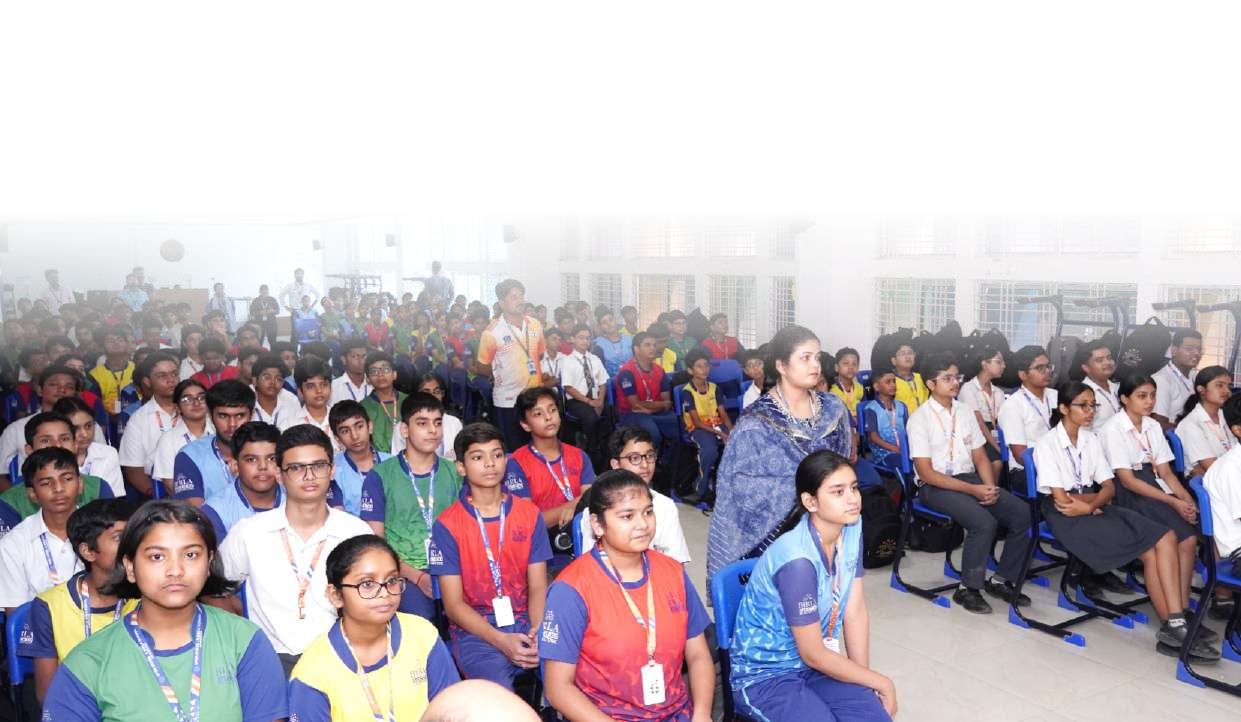
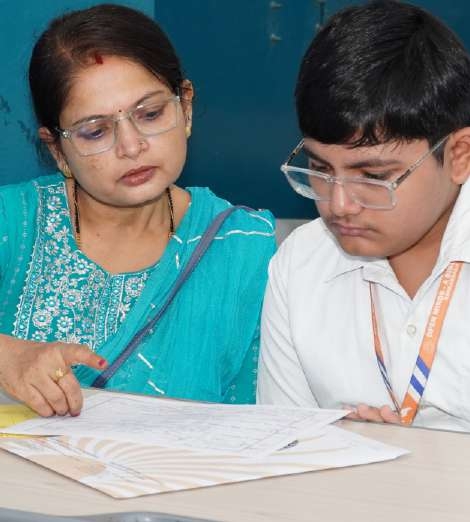
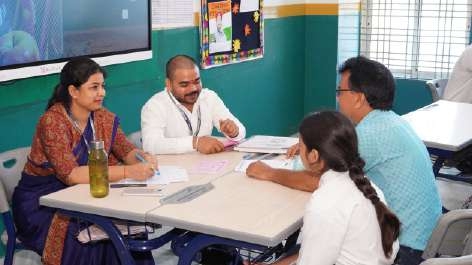
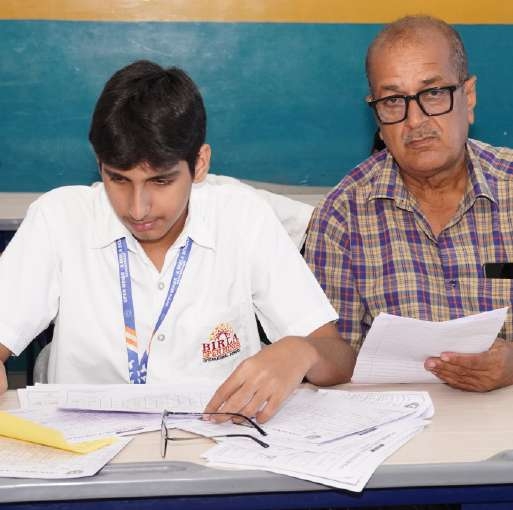
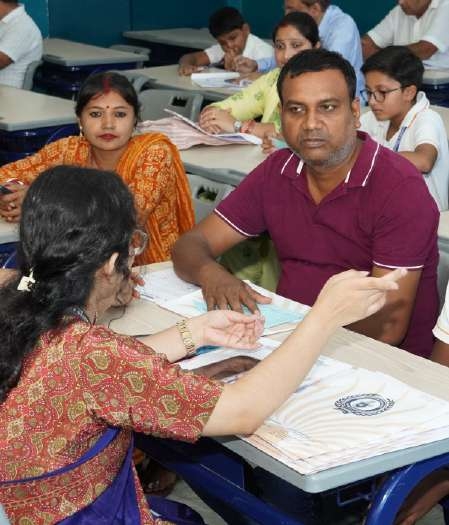
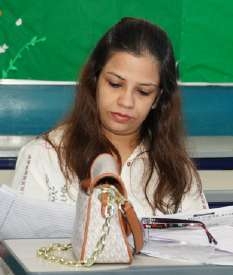
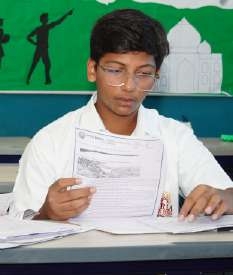
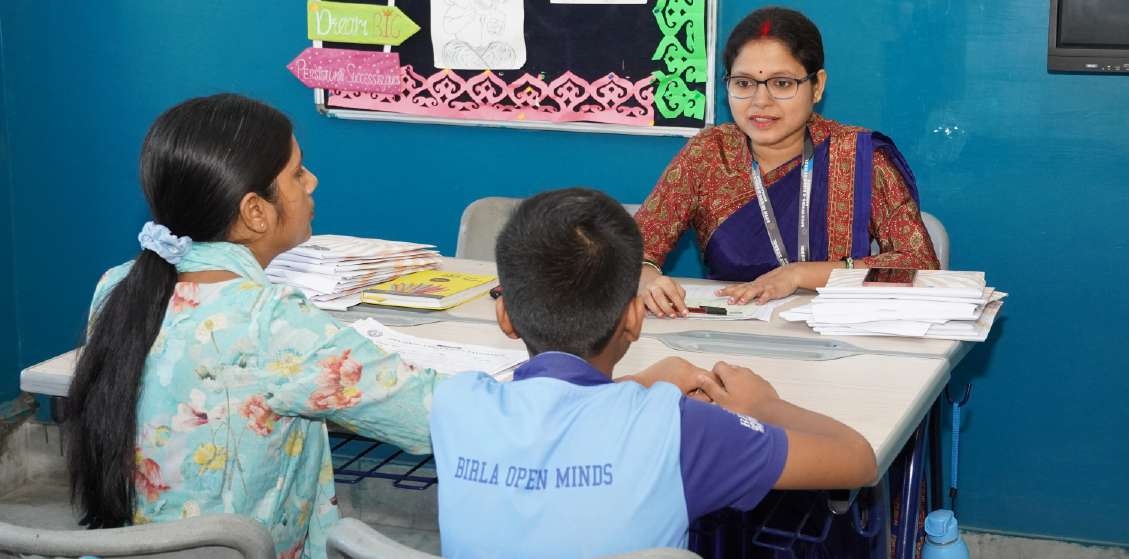
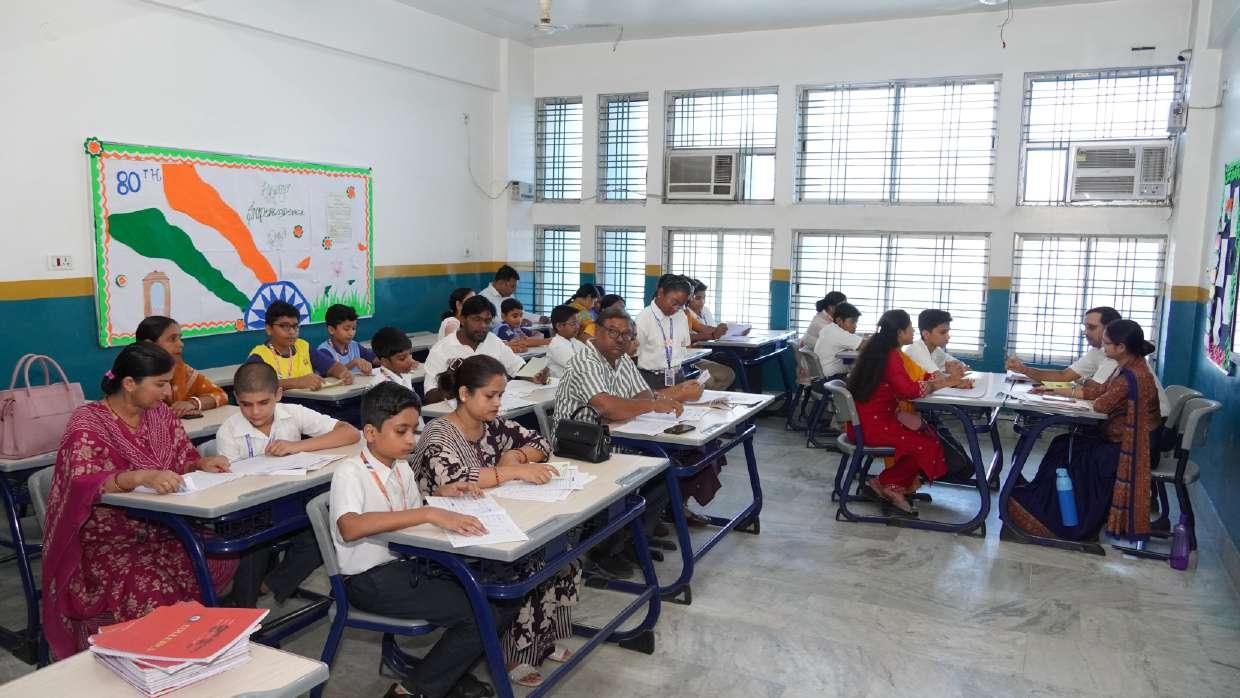
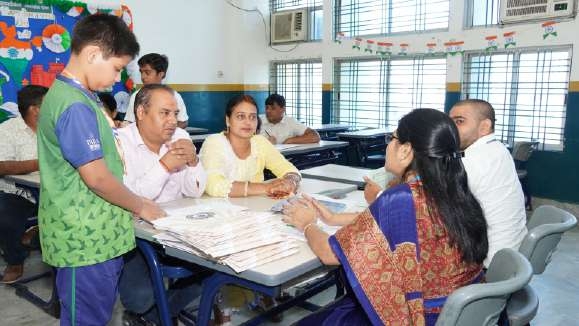
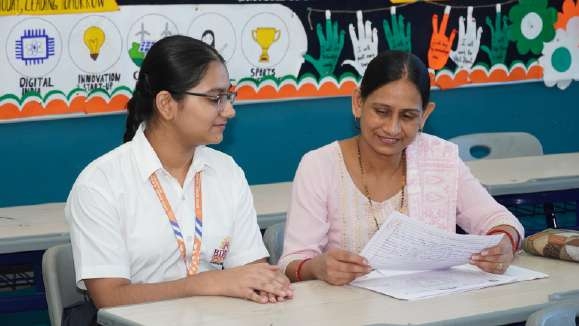
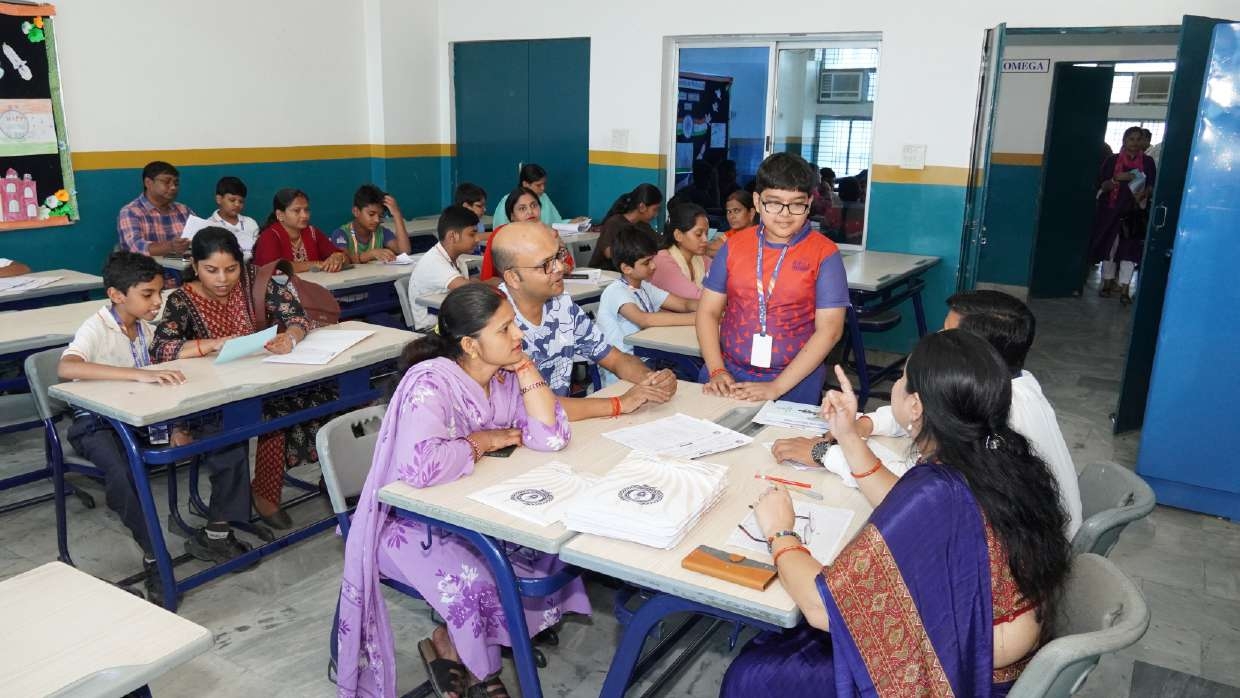
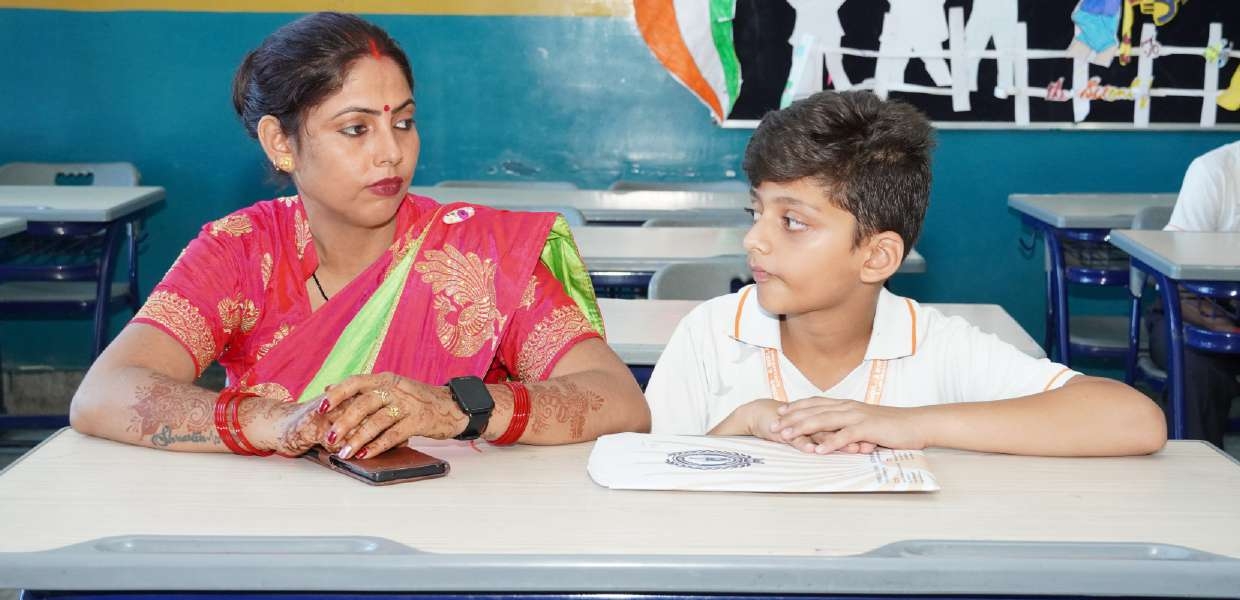
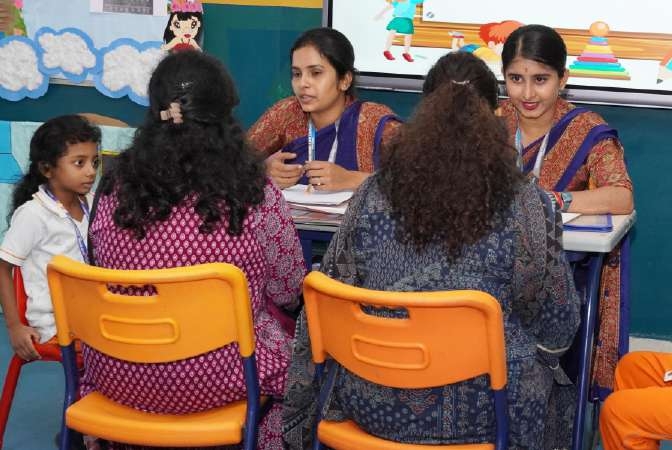
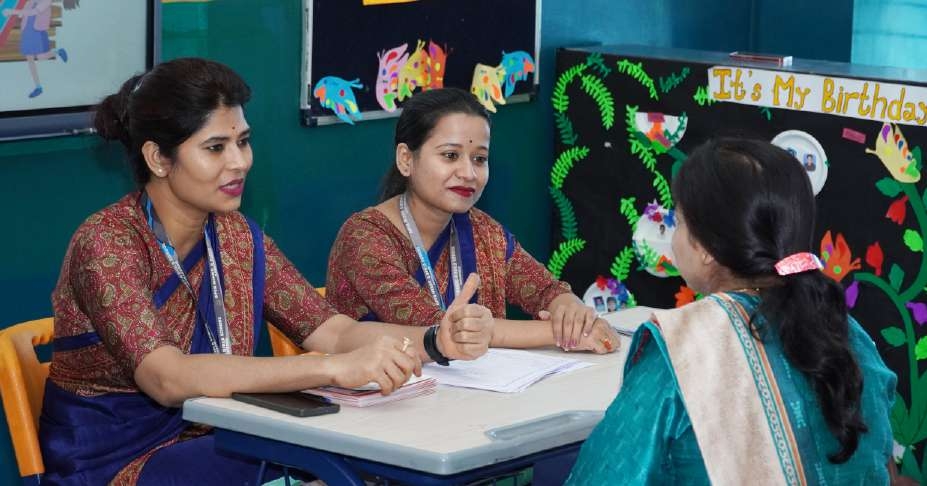
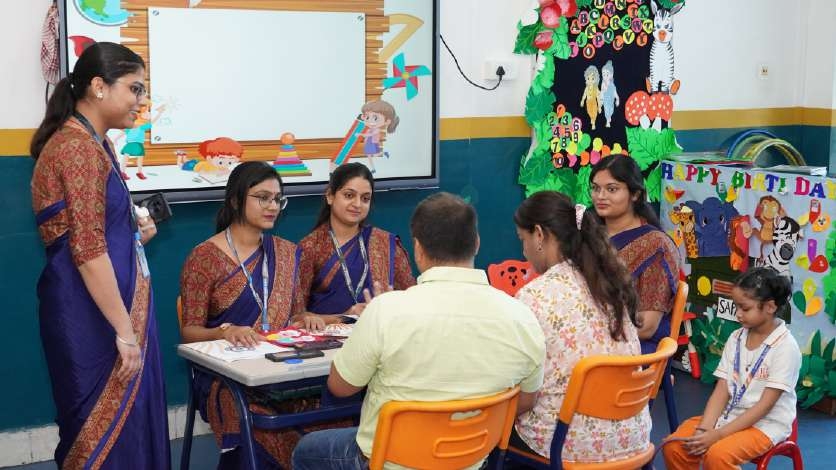
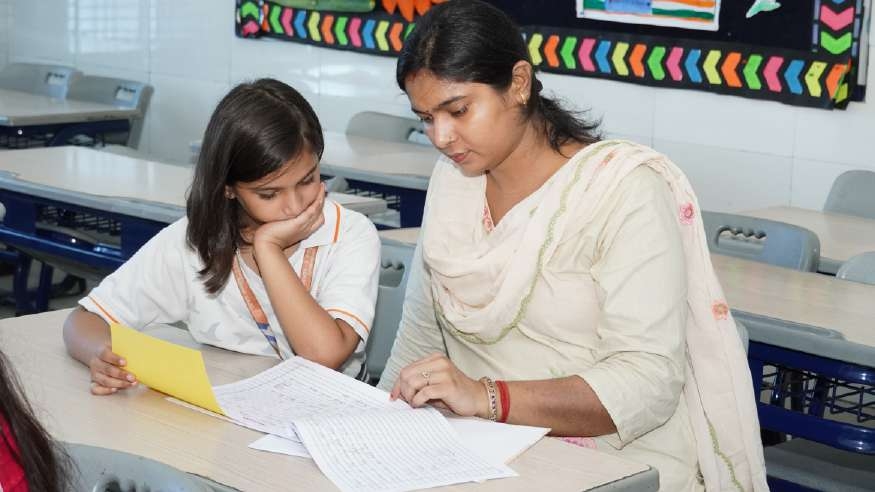
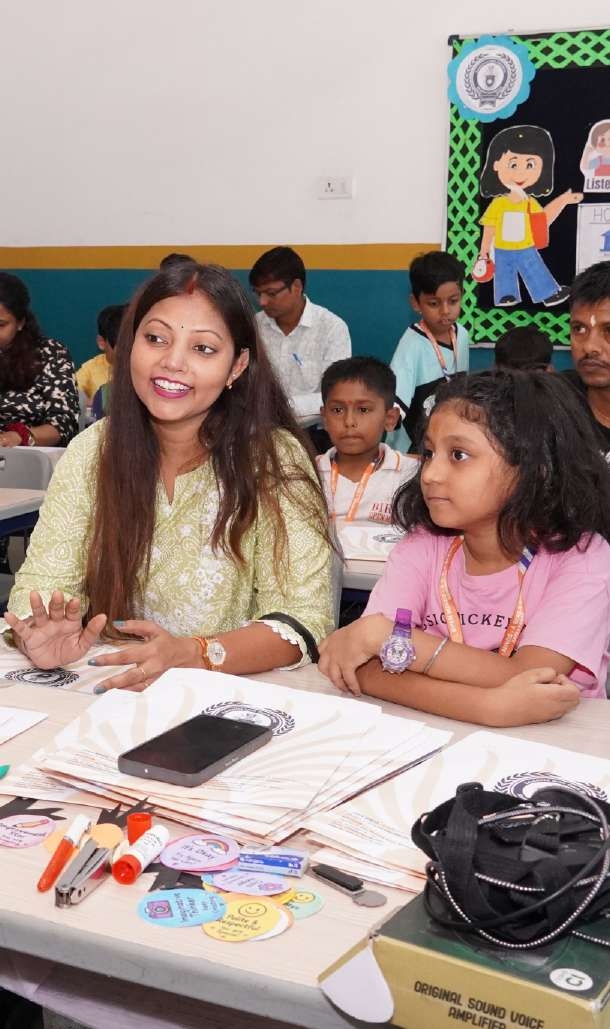
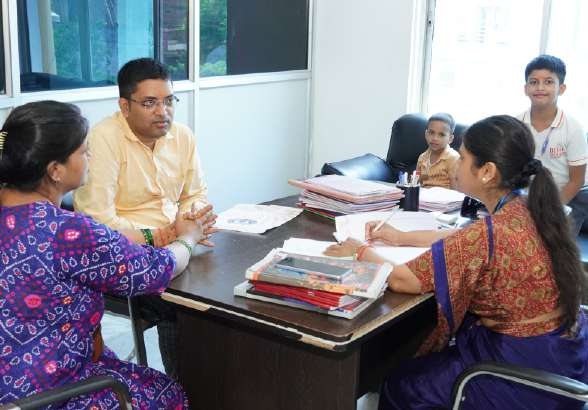
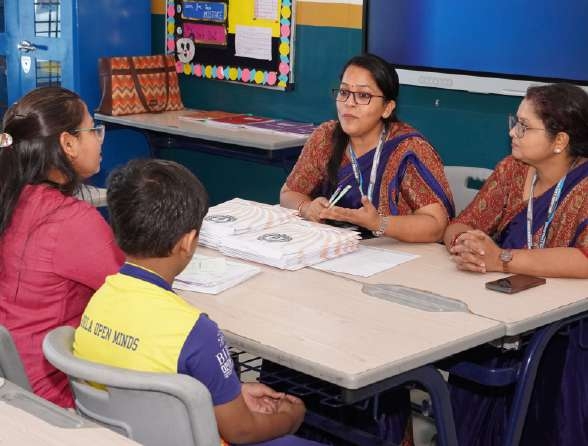
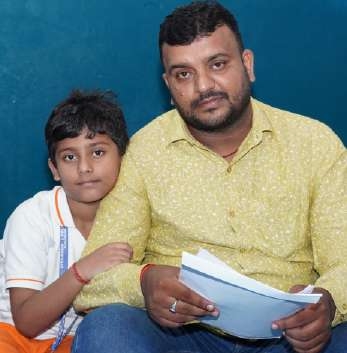
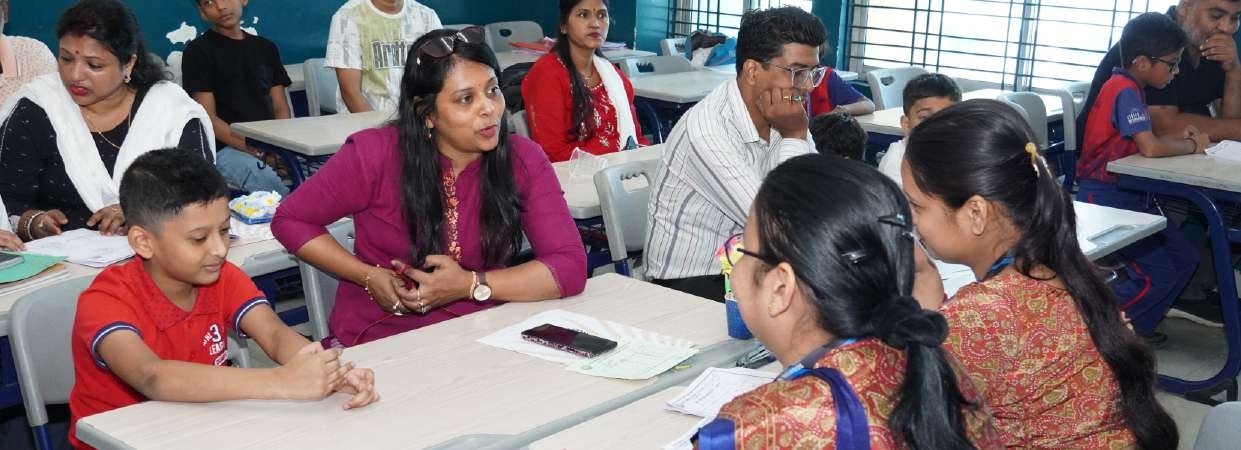
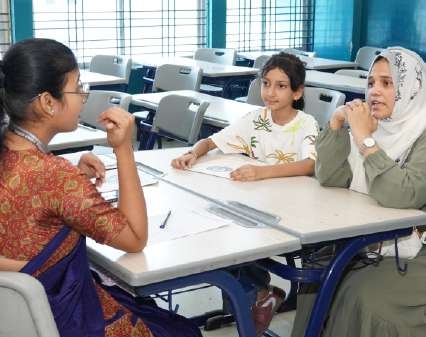
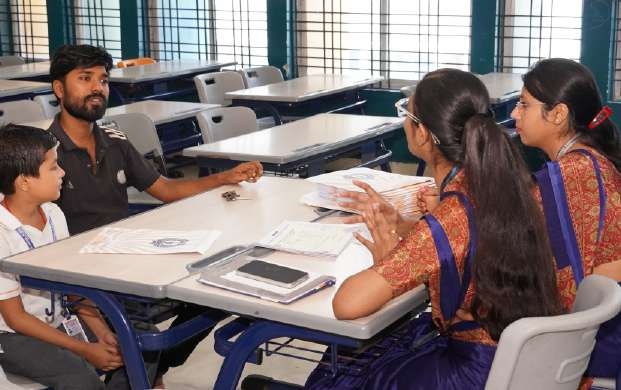
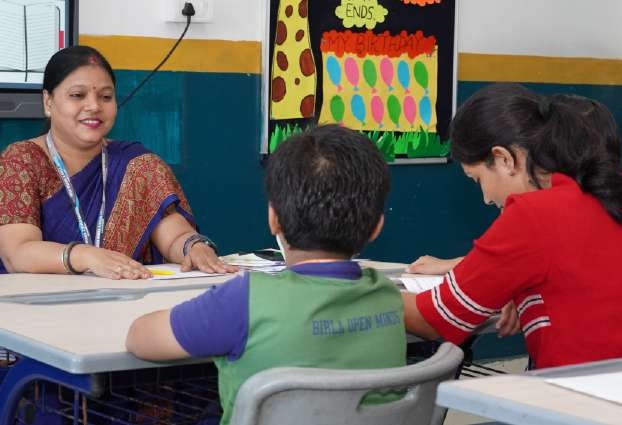
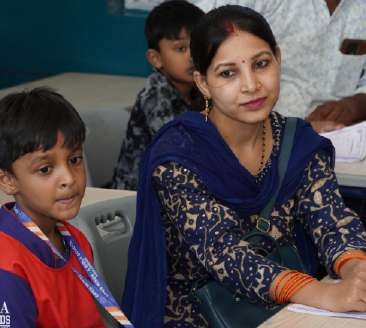
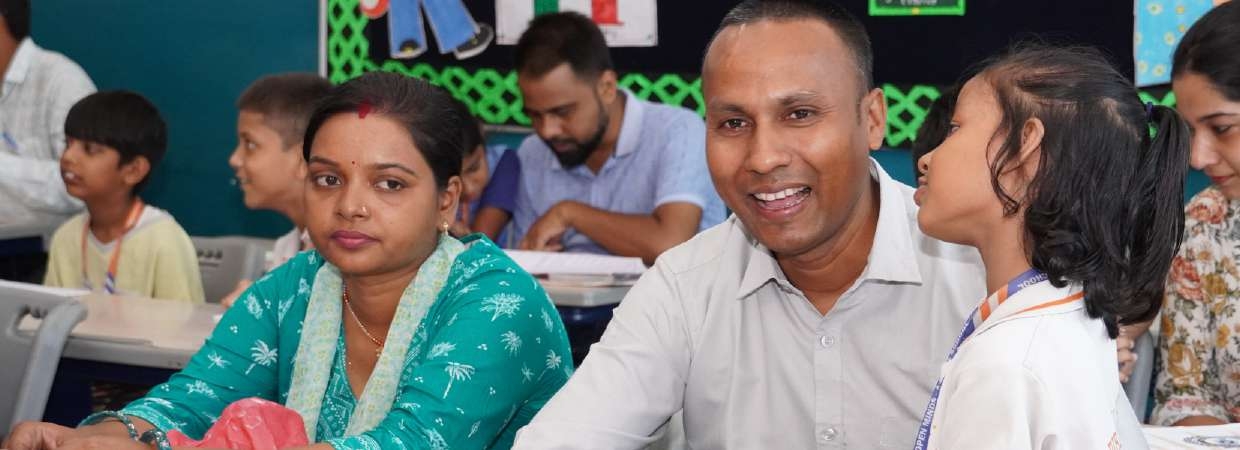
Finally, our Parent-Teacher Meetings reaffirmed the quiet partnership that upholds every child’s journey. At home and at school, a child is observed from different vantage points, through different lenses of hope. It is only when these two visions converge—anchored in mutual humility, candour, and trust—that the complete child comes into view. Education is never a transaction negotiated at a desk; it is an enduring covenant dedicated to a child's unfolding potential.
As we journey forward into the term, let our gaze cultivate a deeper fidelity to what lies beneath the surface. Let us honour the achievement, but revere the quiet labour that bore it. Let us applaud the performance, but honour the solitude of its rehearsal. Let us rejoice in the light, but never forget the silent, steadfast shadow.